
Is Shoulder Season Becoming the New Peak Season in Africa?
For years, shoulder season has been something of a well-kept secret in the safari world.
It’s been the time savvy travellers quietly gravitate toward, those looking for fewer crowds, better value, and a more immersive experience in the wild. But recently, something has shifted.
More and more travellers are asking about shoulder season. More itineraries are being planned around it. And in some cases, the most sought-after camps are filling up just as quickly as they would in peak months.
So the question naturally comes up: is shoulder season becoming the new peak season?
The answer is not quite, but it is evolving.
A Shift in How People Travel
More people are travelling with intention. They’re not just looking to tick off the “Big Five” or follow a set migration calendar. Instead, they want space, time, and a deeper connection to the places they visit.
For many, that means avoiding the busiest months.
Repeat safari-goers, in particular, are driving this trend. Having already experienced peak season, they’re now looking for something more refined, quieter sightings, longer moments, and a greater sense of exclusivity. Shoulder season naturally offers this.
At the same time, first-time travellers are also becoming more informed. With access to better information and specialist advice, they’re realising that peak season isn’t the only, or even the best, time to travel.
Increased Demand, But Not the Same Crowds
There’s no doubt that shoulder season is becoming more popular. Enquiries are increasing, bookings are being made earlier, and some of the best camps are no longer as easy to secure at short notice.
But this doesn’t mean shoulder season is becoming crowded in the same way as peak season.
The difference lies in how demand is spread.
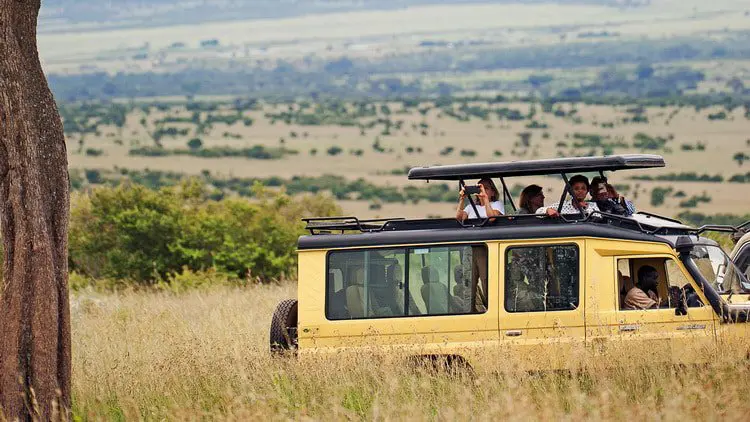
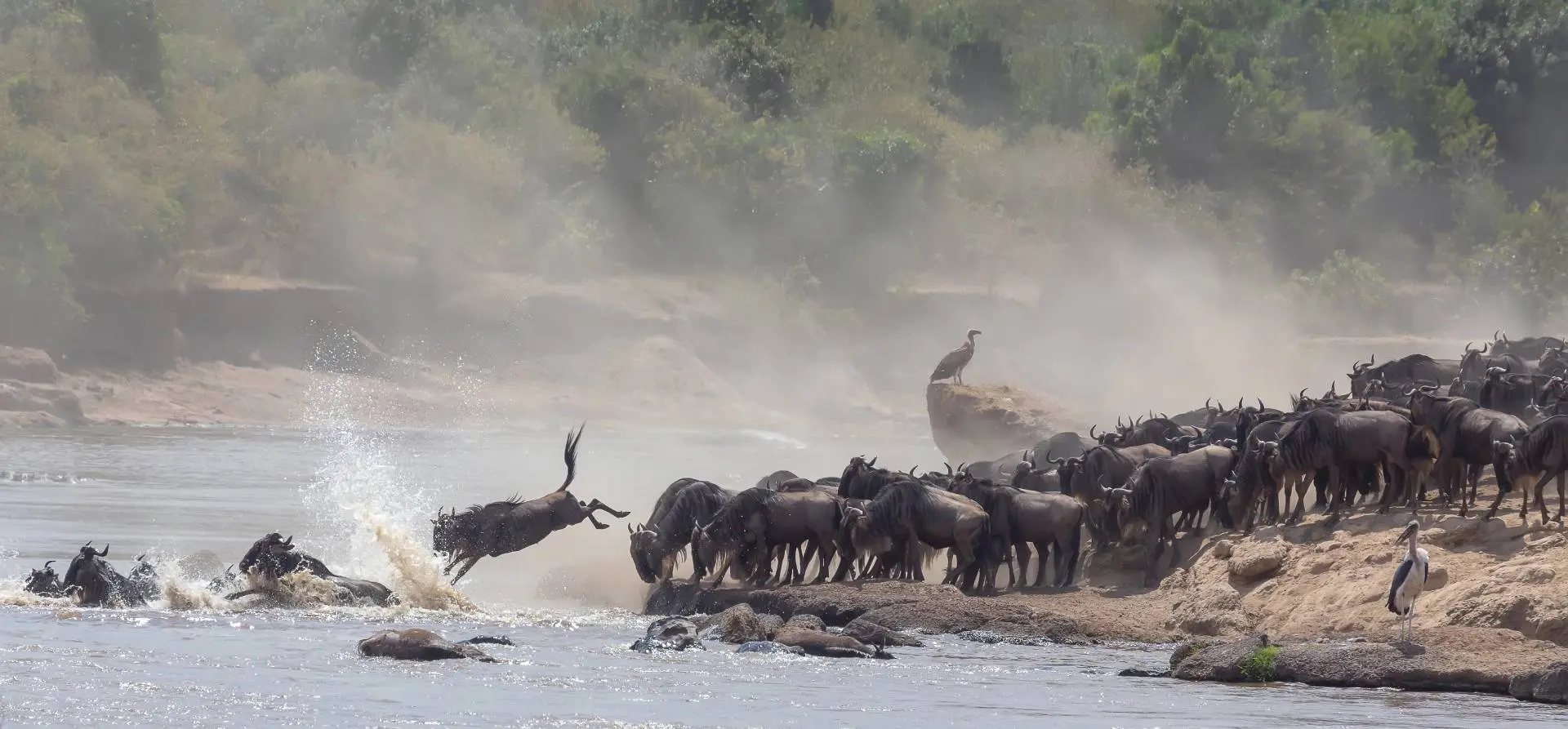
Peak season tends to concentrate travellers into very specific places at very specific times, particularly around major wildlife events like the Great Migration. This creates that familiar feeling of multiple vehicles at a single sighting.
Shoulder season, on the other hand, is naturally more dispersed. Conditions vary slightly across regions, some camps operate with fewer rooms, and travel patterns are less fixed. As a result, even with growing interest, the experience on the ground still feels far more relaxed.
The Real Change: The Best Spots Are Booking Earlier
What has changed, and this is important, is that the best shoulder season experiences are no longer under the radar.
Highly sought-after camps, private wildlife conservancies, and prime locations are now being booked well in advance, especially by travellers working with safari specialists.
So while you won’t necessarily encounter more vehicles in the bush, you may find that your preferred lodge or exact travel dates require a bit more forward planning than before.
In other words, shoulder season hasn’t become crowded, it’s become smarter to book early.
Why Shoulder Season Still Stands Apart
Even with its growing popularity, shoulder season still offers something distinctly different.
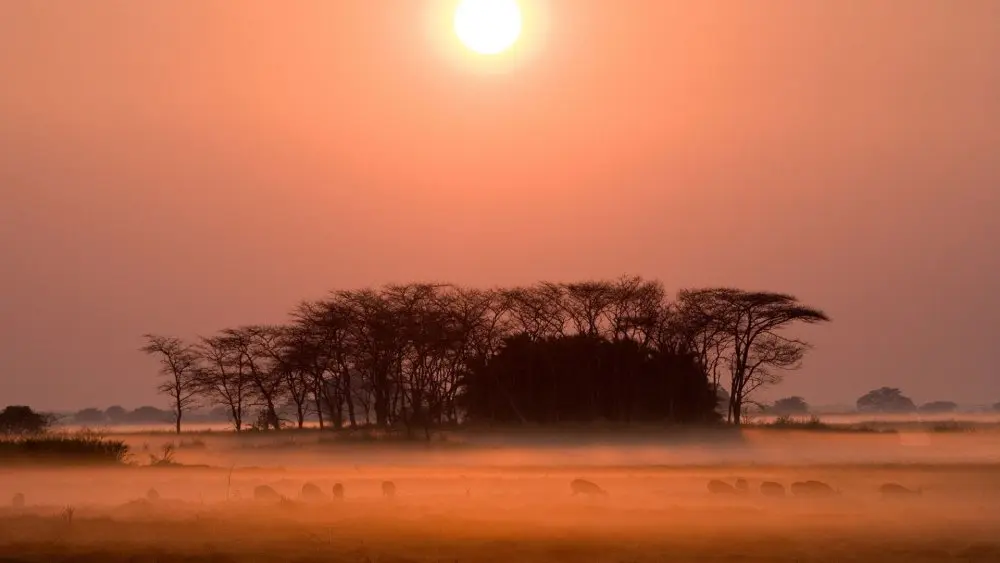
There’s a softness to the experience. The pace is slower, the landscapes are often greener, and there’s a sense that you have more time, not just to see wildlife, but to really absorb it.
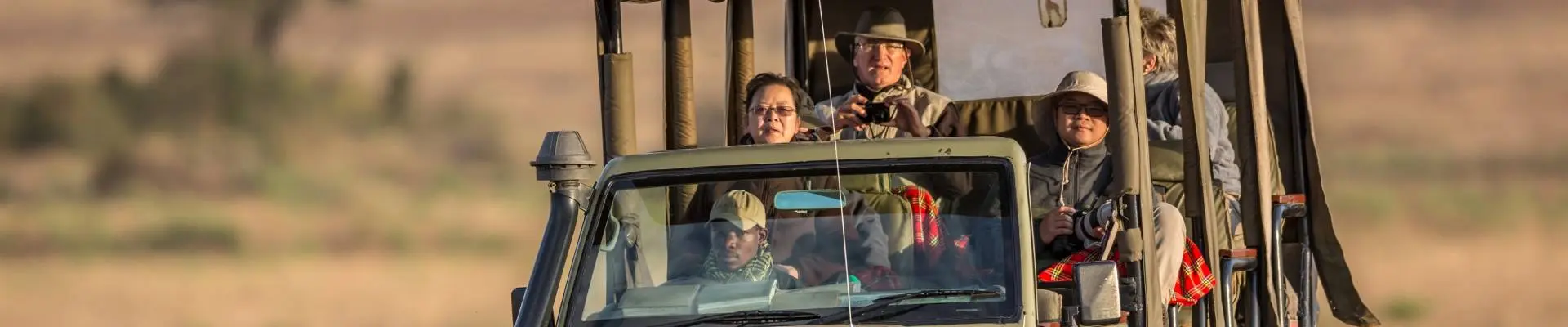
You’re more likely to sit quietly at a sighting without feeling rushed. Your guide has the flexibility to linger, to explore, and to tailor the experience around you.
And importantly, there are still ways to avoid the busiest areas entirely. Private conservancies, lesser-visited regions, and carefully selected lodges all play a role in maintaining that feeling of exclusivity.
Why Expert Planning Matters More Than Ever
As shoulder season grows in popularity, the value of good planning becomes even clearer.
Not all shoulder season experiences are equal. Timing, location, and lodge choice can make a significant difference to what you see and how your safari feels.
This is where working with a specialist really comes into its own.
A More Thoughtful Way to Travel
Rather than becoming “the new peak season,” shoulder season is simply becoming a more considered choice.
It’s no longer just a hidden gem, it’s a deliberate decision made by travellers who understand what they want from their safari.
And what they want, more often than not, is exactly what shoulder season delivers: space, authenticity, and a deeper connection to Africa.
So, Is Shoulder Season Still Worth It?
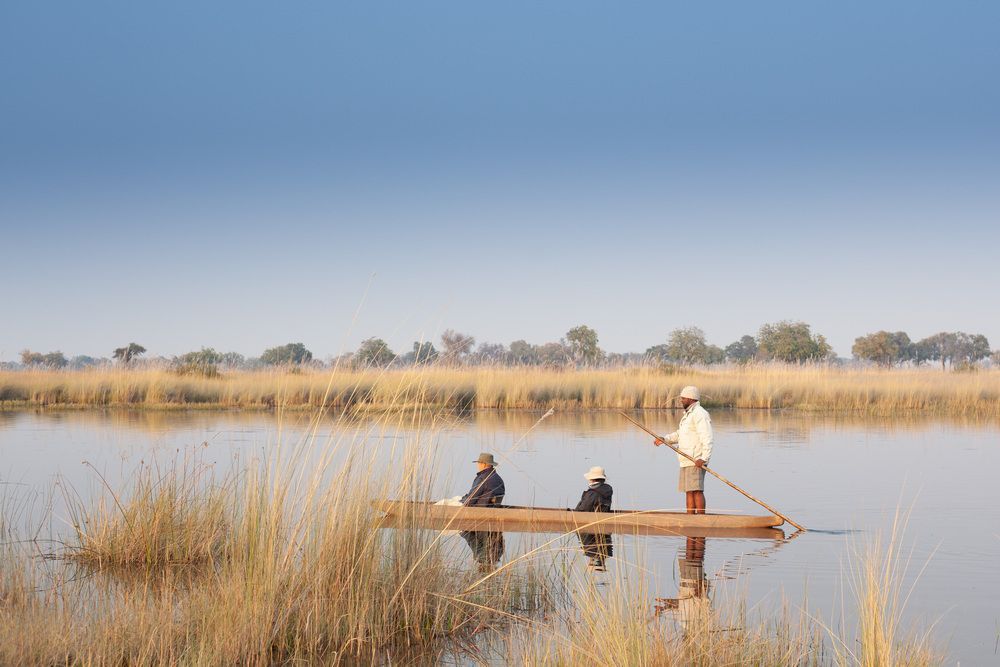
Absolutely, and much more so in areas that allow you to get off road, walk, night drives etc
If anything, shoulder seasons’ growing popularity is a reflection of just how special it is.
The key is knowing how and where to go in shoulder season. With the right guidance, the right locations, and a bit of forward planning, shoulder season remains one of the most rewarding times to experience Africa, offering all the magic of safari, with just a little more room to breathe.