Choosing Between Popular and Remote Safari Destinations
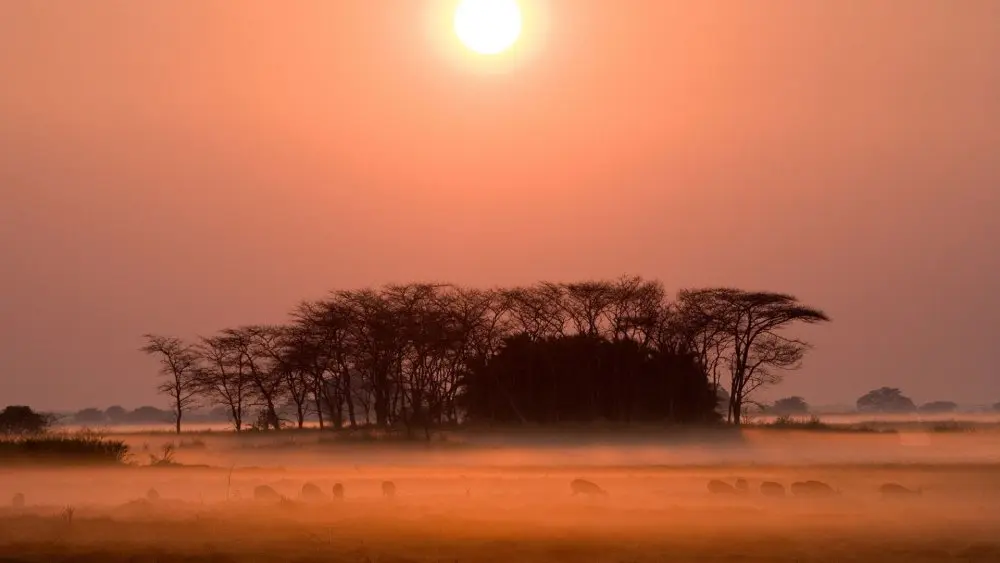
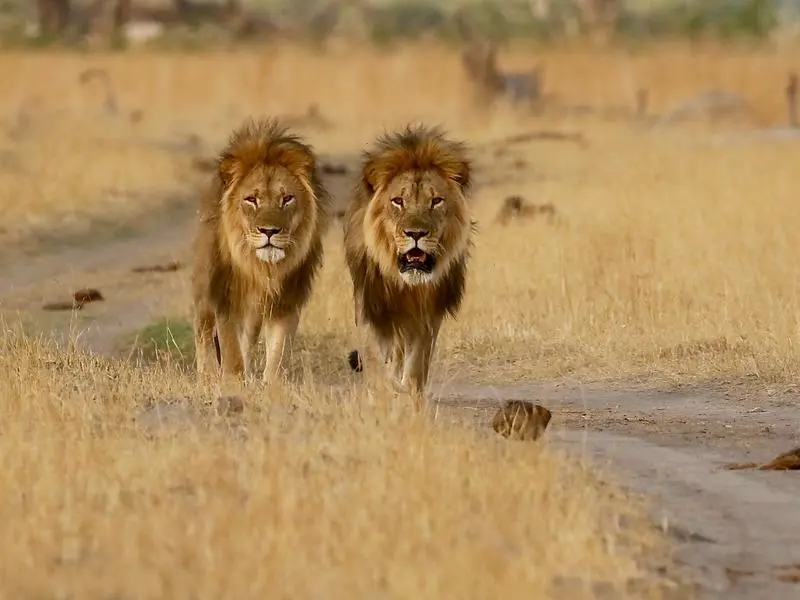
There’s a moment on every safari when the wilderness holds its breath — the brush rustles, your guide raises a hand, and a lioness emerges into the open. For many guests, that moment happens in one of Africa’s most well known parks, such as Kenya’s Masai Mara National Reserve, Tanzania’s Serengeti National Park, Botswana’s Chobe National Park, Namibia’s Etosha National Park, or South Africa’s Kruger National Park. These names are almost mythic — places where wildlife documentaries are born, and sightings seem to unfold on cue.
But just beyond the well-trodden routes lie Africa’s quieter treasures: Zambia’s Kafue National Park, Tanzania’s Ruaha National Park, Botswanas private wildlife concessions, Kenya’s private wildlife conservancies, and South Africa’s private game reserves bordering Kruger National Park. Here, the landscapes feel vast and personal, and the silence between sightings is part of the experience.
So how do these two worlds compare — the popular giants versus the remote frontiers?
The Popular Giants: Big Names, Big Game
The Masai Mara, Serengeti, Chobe, Etosha, and Kruger are the cornerstones of African safari tourism — and for good reason. They’re teeming with wildlife, rich in photographic drama, and supported by decades of well-developed tourism infrastructure.
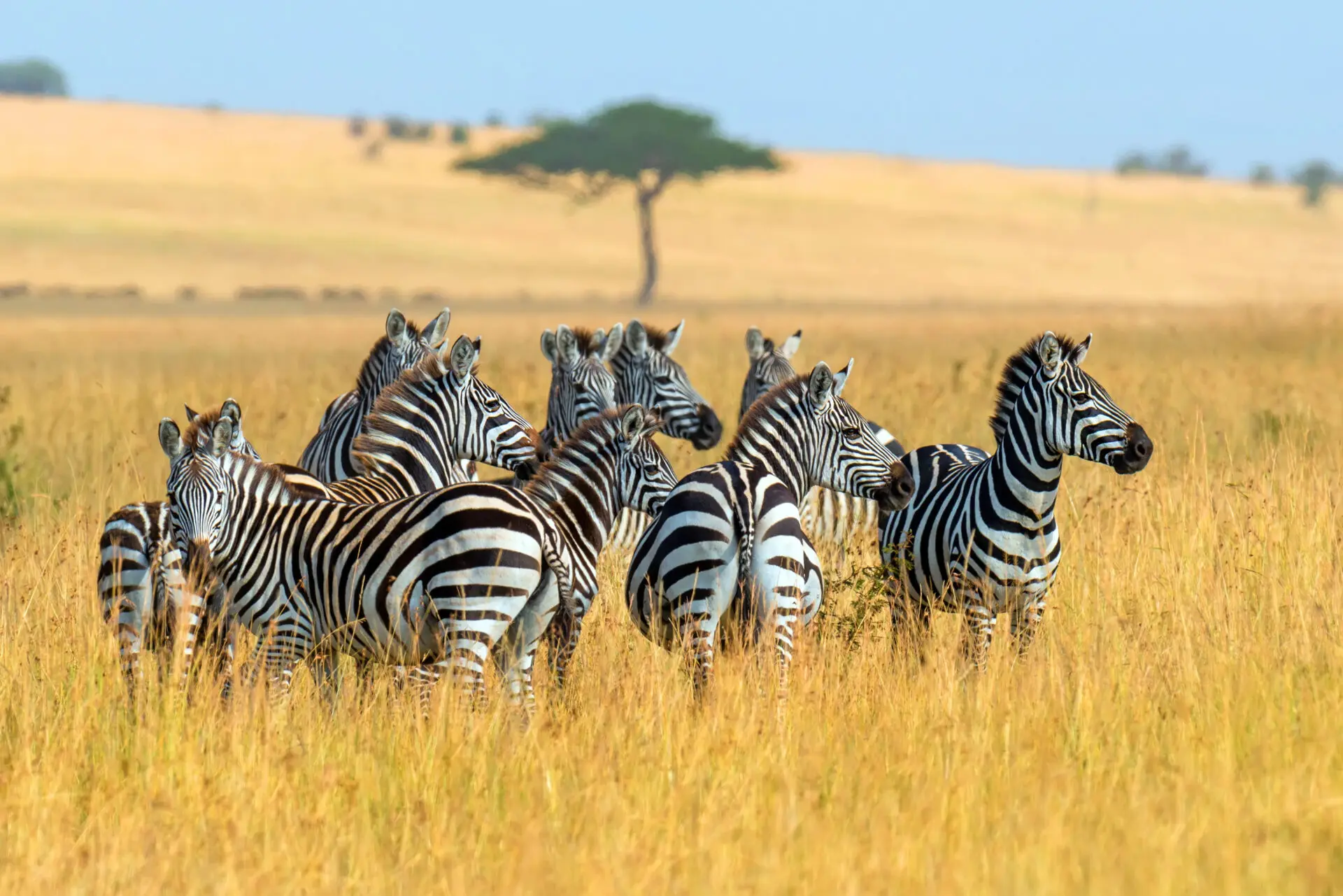
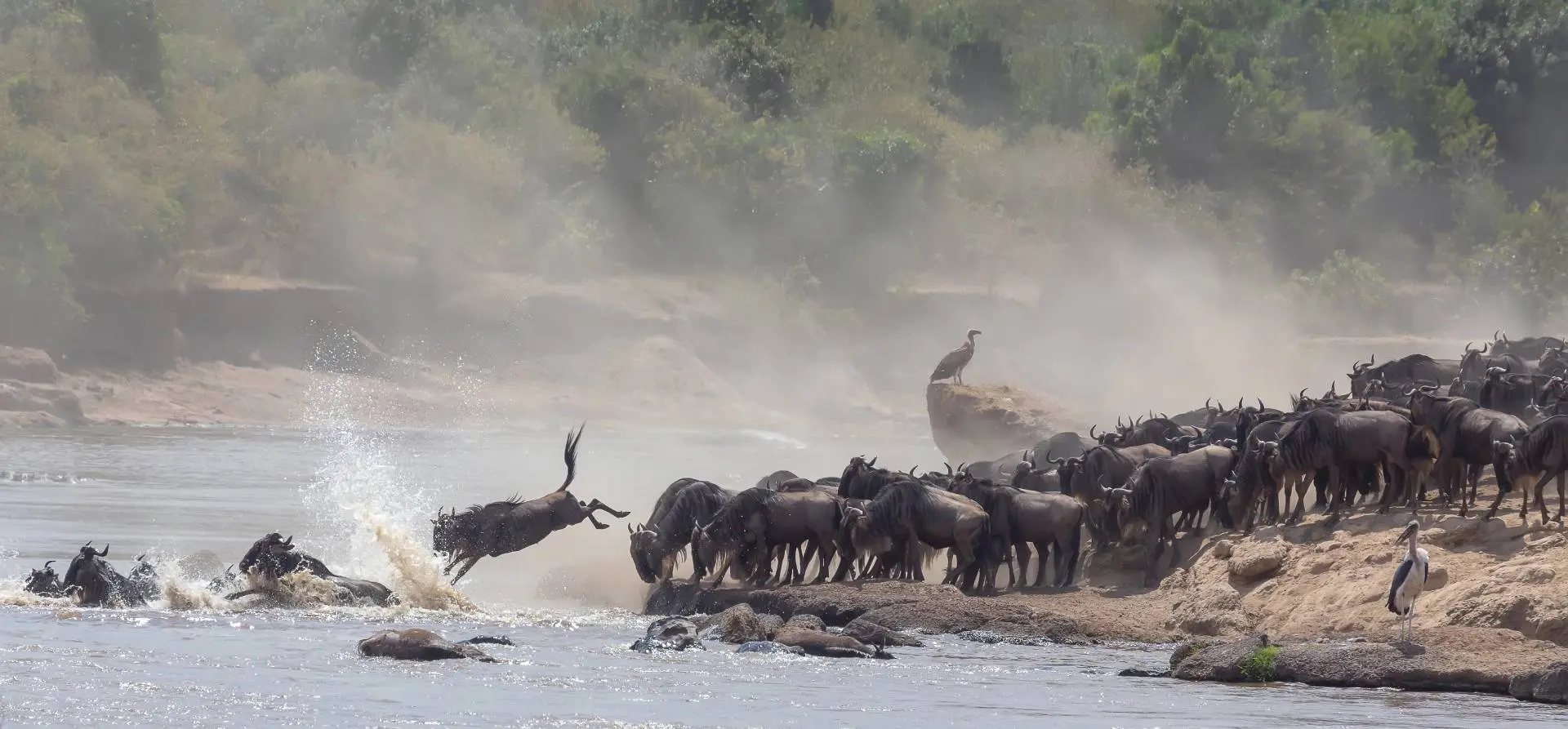
In the Masai Mara, you can witness the great wildebeest migration thundering across the plains, often accompanied by dozens of vehicles angled for the perfect shot. Serengeti National Park, its Tanzanian counterpart, offers equally staggering herds and predator action, with an endless savanna backdrop that defines “classic Africa.”
Chobe National Park in Botswana boasts some of the continent’s largest elephant herds — hundreds gathering along the riverfront at sunset — while Etosha’s shimmering salt pan in Namibia delivers surreal scenery and reliable game viewing around its waterholes. And Kruger National Park, South Africa’s most famous reserve, has a network of excellent roads, lodges, and an astonishing variety of species.
These destinations deliver certainty.
You’re almost guaranteed to see lions, elephants, giraffes, and hippos — often within hours of arrival. For first-time safari-goers or families, that reliability is part of the magic.
Yet there’s another side: popularity means crowds.
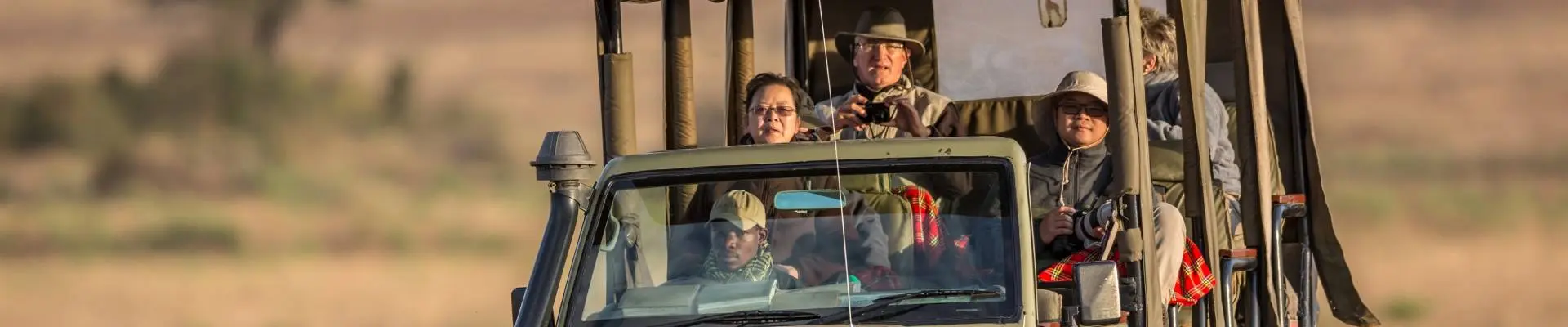
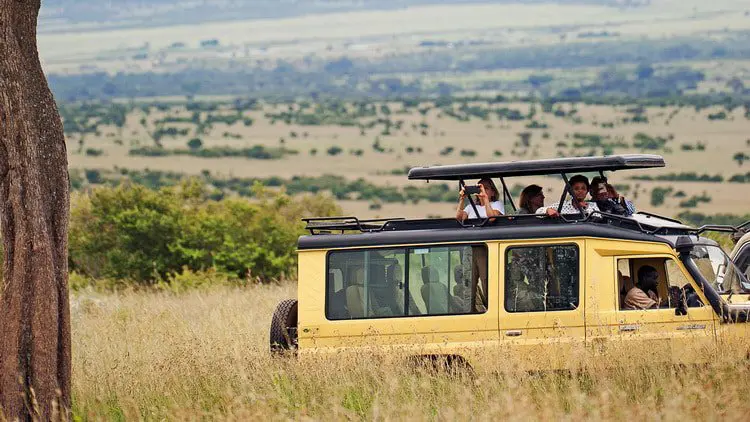
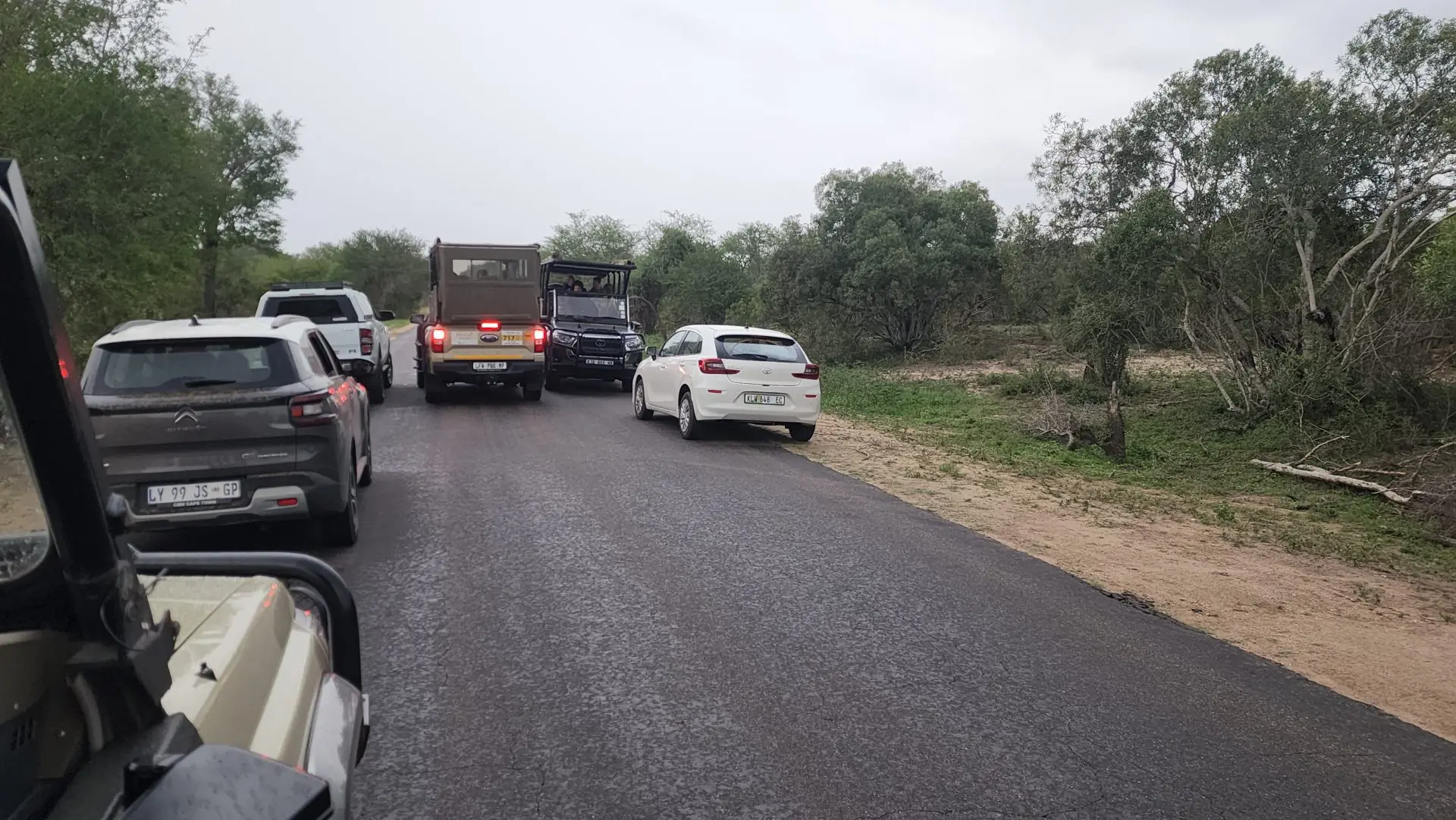
In peak season, a big cat sighting in the Mara might draw ten or twenty vehicles. Chobe’s riverfront can resemble a convoy of Land Cruisers. Even in Kruger, some hotspots feel more like a game-viewing highway than a wilderness. The experience remains thrilling — but less personal.
The Remote Frontiers: Wildness, Solitude, and Subtlety
Venture into less-known parks, and the tempo of safari life changes entirely. In Kafue National Park, Zambia’s largest and oldest reserve, you can drive for hours without seeing another vehicle. The landscape feels vast, unfiltered, and alive with discovery. Lions and leopards roam here too, but you might also encounter rarer species — roan antelope, sable, or wild dogs — animals seldom seen in the more crowded parks.
Further east in Tanzania, Ruaha National Park and Nyrere National Park (formly Selous Game Reserve) offers a raw, semi-arid wilderness where baobabs outnumber lodges. Predator densities are impressive, yet you’ll often have them to yourself.
In Kenya, private wildlife conservancies bordering the Mara — such as Olare Motorogi or Naboisho — blend the best of both worlds: the same game-rich ecosystem as the Mara, but with vehicle limits and exclusive access. Only a handful of lodges operate in each conservancy, ensuring intimate sightings and a deeper connection to the land.
And in South Africa, private reserves adjacent to Kruger — like Sabi Sands, Timbavati, Klaseri, Thornybush or Manyeleti — redefine safari luxury. Off-road driving allows guides to follow leopards, lion or even wild dogs through the bush, and sightings are shared among just two or three vehicles. These areas deliver both privacy and precision, with expert guiding and conservation-driven management.
Numbers at a Sighting: The Crowd Factor
The most obvious difference between popular and remote destinations is the number of vehicles at a sighting. Popular areas such as the Masai Mara National Reserve or Kruger Park National Park often have many vehicle at high profile sightings, such as lion, leopard etc
| Aspect | Popular Parks and Reserves | Remote Areas |
|---|---|---|
| Vehicles per sighting | 10–20+ common in high season | Often 1–3, sometimes none |
| Animal density | Quite high in certain areas. | Moderate, but rarer species and natural behavior |
| Guiding style | Potentially following other vehicles and radio calls. | Flexible, exclusive, often with off-road tracking |
| Atmosphere | Exciting, social, sometimes chaotic | Quiet, immersive, deeply personal |
In the popular parks, sightings are more predictable — which makes them ideal for photography or those short on time. In contrast, the remote parks trade predictability for authenticity: the thrill of tracking footprints rather than following radio calls, and the sense that every encounter is genuinely wild.
Wildlife Variety: Quantity vs. Quality
It’s tempting to equate more animals with a better safari — and the big-name game parks certainly deliver in terms of density. But the variety of wildlife in remote areas can be equally compelling.
- Masai Mara / Serengeti: Excellent predator-prey dynamics, mass migrations, and open savanna scenery.
- Chobe: Exceptional elephant herds and river-based game viewing.
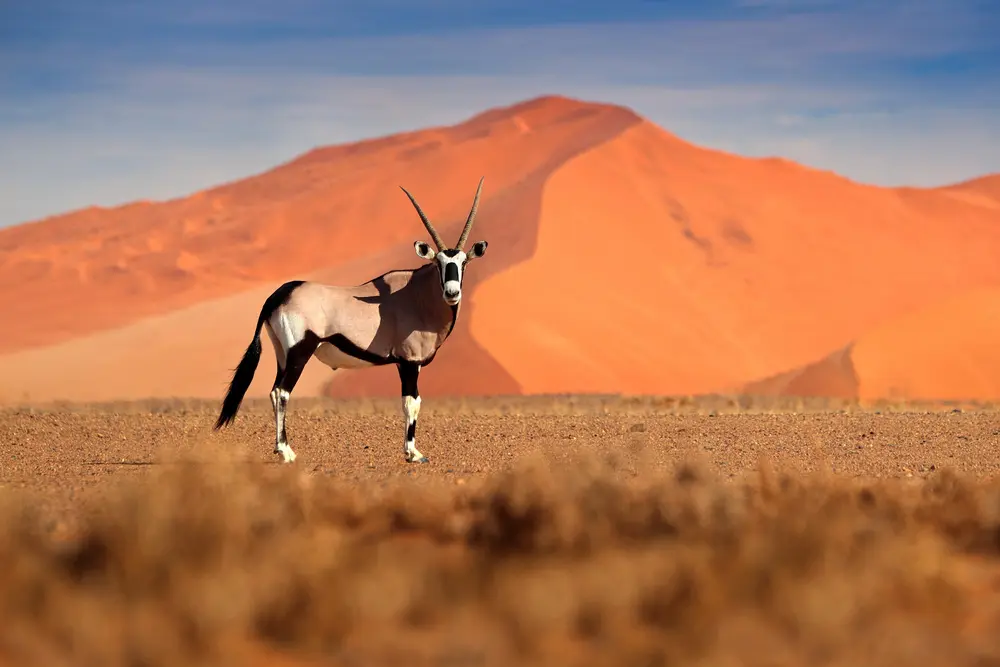
- Etosha: Unique desert-adapted species, concentrated at waterholes.
- Greater Kruger: Huge biodiversity, from birds to Big Five, across varied ecosystems. Excellent predators in Sabi Sands area.
Meanwhile, in remote national park areas:
- Kafue National Park (Zambia) offers rare antelope and vast miombo woodland habitats.
- Katavi National Park, remote even by Tanzanian standards — famous for enormous hippo pods and crocodile concentrations during the dry season.
- Ruaha Naitonal Park (Tanzania) supports large lion prides and one of the strongest remaining wild dog populations.
- Central Kalahari Game Reserve (Botswana): Stark, wild, and empty — perfect for those seeking silence and encounters with desert-adapted wildlife.
And remote, private wilderness areas:
- Ol Pejeta Conservancy (Kenya): Located in Laikipia, it’s a leading example, known for its rhino sanctuary and as the last home for the world’s only northern white rhinos.
- Lewa Wildlife Conservancy (Kenya): A UNESCO World Heritage Site and a pioneer in rhino conservation, also in Laikipia.
- Mara Naboisho Conservancy (Kenya): A community-led conservancy in the Greater Masai Mara ecosystem, popular for its high concentration of wildlife and exclusive safari experiences.
- Sabi Sands Game Reserve (South Africa) – World-renowned for close-up leopard sightings and ultra-luxury lodges, this is South Africa’s most famous private reserve.
- Timbavati Private Nature Reserve (South Africa) – Shares an unfenced border with Kruger and is known for its rare white lions and excellent Big Five viewing without heavy crowds.
- Manyeleti Game Reserve (South Africa) – A hidden gem between Kruger, Sabi Sands, and Timbavati, offering top wildlife density with a quieter, more affordable feel.
- Klaserie Private Nature Reserve (South Africa) – Wild and uncommercialised, ideal for longer, immersive stays and off-the-beaten-track exploration.
- Balule Nature Reserve (South Africa) – An accessible Kruger-adjacent reserve known for scenic Olifants River landscapes and diverse birdlife.
Key differences: Conservancies vs. National Parks
| Feature | Private Conservancy | National Parks and Reserves |
|---|---|---|
| Crowd Size | Exclusivity is a major draw, with strict limits on lodges, guests, and vehicles at a wildlife sighting. | Experiences higher visitor density, especially during peak seasons. |
| Rules & Activities | More flexible rules, allowing for unique activities such as off-road driving, night game drives, and guided walking safaris. | Has strict rules prohibiting activities like off-roading and night drives. |
| Off-Roading | Guides can drive off-road to get closer to wildlife sightings. | Driving is restricted to designated roads. |
| Conservation | Tourism directly funds local communities and conservation projects, creating incentives for wildlife protection. | Funded and managed by the government, with revenue not always directly returning to the park or benefiting local communities in the same manner. |
| Access | Access is limited to guests staying at the lodges and camps within the conservancy. | Open to the general public (self drive, buses etc), leading to higher visitor traffic. |
Accessibility and Atmosphere
The trade-off is clear: remote areas are often, but not always, harder and more expensive to reach. They may require multiple flights and long drives, while Kruger or the Mara are only a few hours from major airports. But for many, that effort enhances the adventure — the sense of truly leaving the world behind.
At night, remote camps come alive with the sounds of nature unbroken by generators or traffic. The stars burn brighter. The pace slows. You safari becomes less about checking species off a list, and more about being absorbed into the landscape itself.
Which Experience Is Right for You?
- First-time safari-goers or families: Choose a popular destination for guaranteed sightings and smooth logistics.
- Photographers: Start with popular parks for density, then graduate to private reserves for exclusivity.
- Seasoned travellers and adventurers: Remote wildlife areas offer genuine wilderness.
- Couples or honeymooners: Private conservancies or South African reserves provide romance and solitude.
Final Thoughts: The Wild You Choose
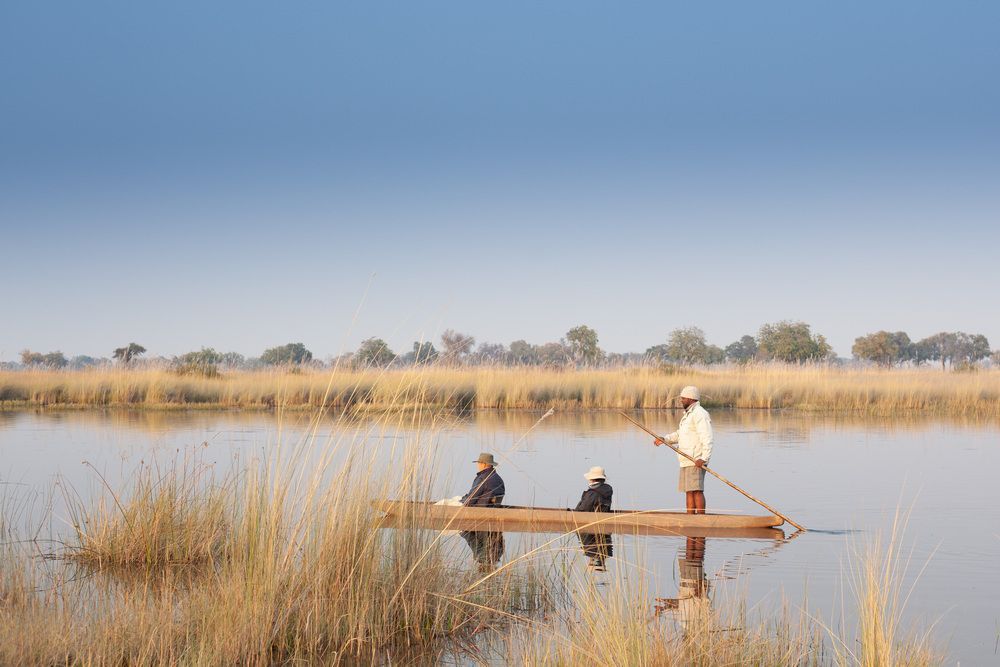
Whether you find yourself surrounded by the drama of the Great Migration or alone beside a hidden lagoon in Botswana both experiences reveal different faces of wild Africa. The popular parks almost promise, per se, action and accessibility; the remote ones reward patience and curiosity.
In the end, the best safari isn’t about how many lions you see — but how deeply the wilderness makes you feel alive.