Plan an African safari that feels entirely your own.
Planning a safari should be as exciting as the journey itself. Start by thinking about the experiences that matter most to you: where you would like to travel, when you can go, the pace and style of your trip, and your budget. The questions below will help you clarify your preferences so we can match them with the destinations, accommodation, activities and safari options that suit you best.
- Where should I go on safari?
- When is a good time of year to go?
- What is my budget?
- What is my travel style?
Where should I go on safari?
We offer safaris to Southern Africa and East Africa. To understand how these regions differ, select one of the following links for more information.
- East Africa (Kenya, Tanzania, Rwanda, Uganda and Zanzibar)
- Southern Africa (South Africa, Namibia, Botswana, Zimbabwe, Zambia, and Mozambique)
When Is A Good Time Of Year To Go On Safari?
You will hear varying ideas about the timing of your trip, but keep in mind that people travel year round to Southern Africa and East Africa. Each season has its advantages, so if you have fixed dates for travel, chances are you will be able to have a great trip no matter where you are going. It is important to understand the seasonal trends and how they will affect your trip; but remember that weather is variable and so it is quite possible to go for days without rain during the peak of the rainy season, or have thundershowers in the middle of the dry season.
The drier seasons are generally considered preferable for game viewing. Dry weather offers more reliable road conditions and in the winter months, milder daytime temperatures. Dry spells force game to congregate around the limited water sources, and sparser foliage makes the animals somewhat easier to find and see. While these are prime game viewing conditions, bear in mind that naturally, all accommodation enjoy their highest occupancy, and game reserves and parks endure more traffic, during these dry seasons. When considering smaller, more intimate, safari camps and lodges, it is necessary to book well in advance, particularly for travel from June through October.
East Africa: When is the best time to go?
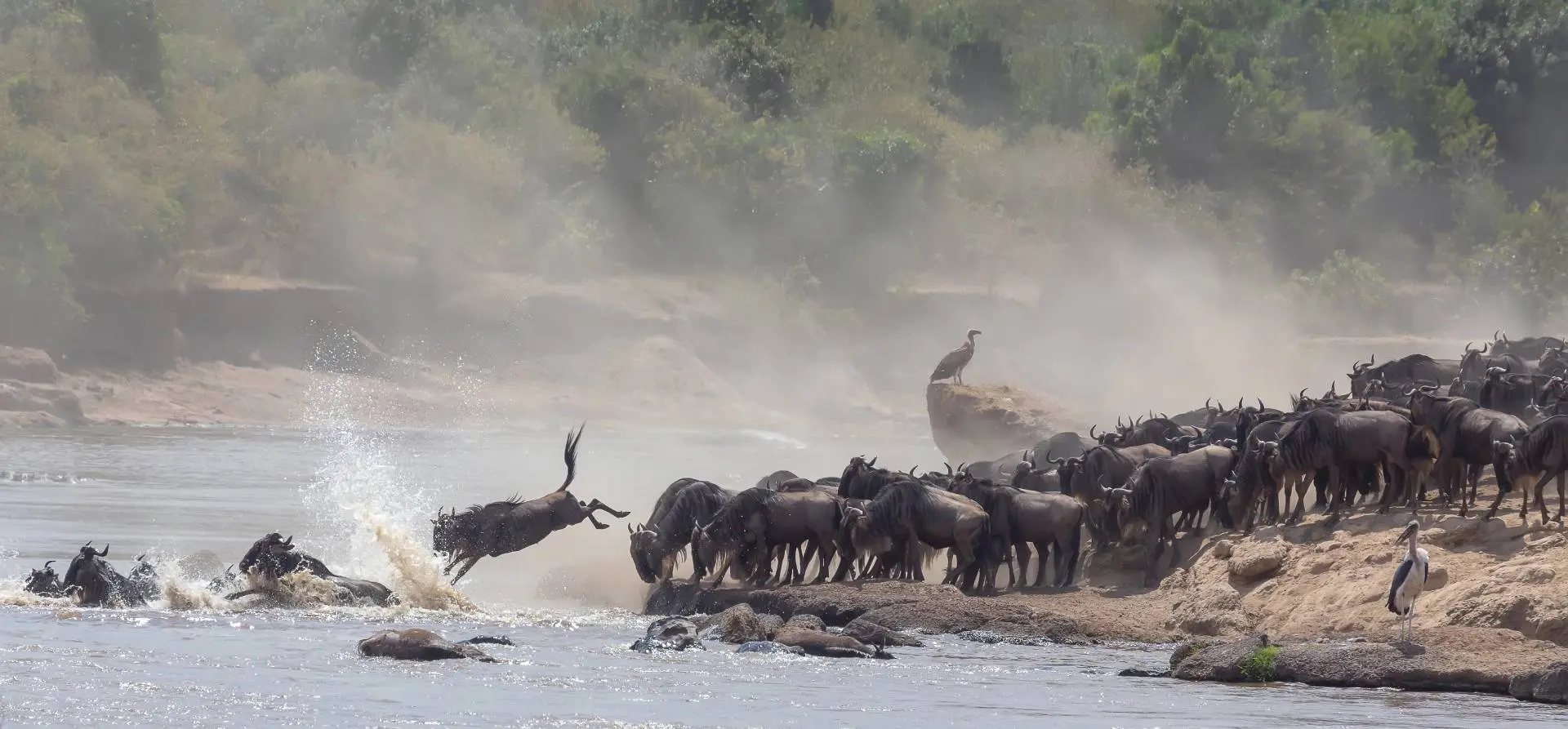
The long rains are from early April through early June, and the short rains from late November through December. It is often less expensive to travel during these rainy seasons. Dry seasons offer excellent visibility and more reliable road conditions, and game tends to congregate around the limited water sources, making the animals easier to find. July and August are generally extremely busy in East Africa, offering comfortable temperatures in addition to being a popular time for travel worldwide, so be sure to book well in advance. December sees increased local tourism, so expect holiday surcharges and limited availability. In the Masai Mara and Serengeti, the movements of the migrating wildebeest contribute to the desirability of certain areas at certain times, and this might influence your itinerary, selections or costs.
Southern Africa: When is the best time to go?
The rainy season (characterised mainly by thunderstorms during the afternoon) runs from late November through mid-April in the safari regions; however, the southern Cape and coastline of South Africa is experiencing summer at that time and is a wonderful place to visit. This area can also be cold and rainy during their winter from June through August.
Often high season rates for the safari regions go into effect in July so it is sometimes possible to save a bit of money by traveling prior to that, in the shoulder season. May and June can be delightful months to travel. December sees a lot of local tourism, (e.g., school holidays combined with heavy holiday traffic) so expect holiday surcharges, crowded beaches and limited availability throughout. Due to the smaller size of safari camps and lodges in southern Africa, it is necessary to book well in advance, particularly for travel from June through September.
What activities are available?
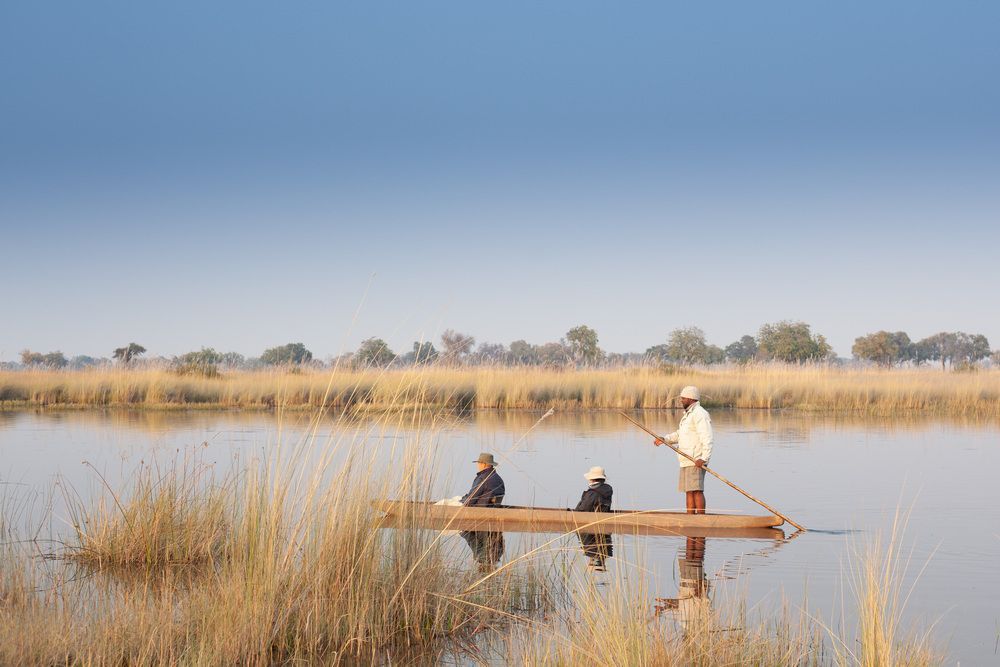
A safari can be as relaxed or as active as you like. Classic game drives are a wonderful way to explore, while walking safaris, boat safaris, cultural experiences and scenic flights can add a different perspective. We can help you build an itinerary with the right balance for you.
What is my budget?
Your budget helps shape every part of your safari, from the style of accommodation and transport to the pace of travel and included experiences. There is a wide range of options across Africa, and we will help you understand the differences clearly—so you can choose a trip that feels right for you, without compromising on what matters most.
What is my travel style?
Think about the kind of journey you enjoy. Would you prefer a carefully paced trip with time to settle into each destination, or an itinerary that covers more ground? Do you like the ease of a small group departure, or the freedom of a tailor-made safari shaped around your interests? Your answers help us create an experience that feels genuinely personal.
Accommodation is another important consideration. You may be dreaming of refined luxury, an intimate tented camp or something comfortably in between. We usually recommend a consistent standard throughout your itinerary, while still allowing for special experiences where they add value. The key is knowing what to expect at every stay.
- High end safaris and tours pair exceptional service with beautifully appointed lodges and camps. Travel between destinations may include light aircraft, allowing you to spend more time enjoying each location. Expect thoughtful dining, private en suite accommodation and a high level of personal attention.
- Mid range safaris and tours offer comfort, character and excellent value. In East Africa, travel is often by 4WD or minivan rather than light aircraft. You may stay in larger lodges or less exclusive camps, while still enjoying memorable wildlife experiences and good service.
- Budget safaris and tours focus on the experience of Africa itself. Travel is commonly by bus, minivan or truck, and accommodation may range from permanent campsites to simple mobile camping. These trips can be wonderfully sociable and immersive, and are ideal for travellers who are happy to trade some comforts for adventure and value.
Who is travelling?
Consider the ages, interests and needs of everyone in your group. Some camps have minimum-age requirements, and certain activities are better suited to particular travellers. Families, honeymooners, solo travellers and multigenerational groups all benefit from a safari designed with their priorities in mind.
Small group or tailor made safari?
Small group departures offer a sociable, well organised way to travel, with set dates and typically 6 to 16 guests. A tailor made safari gives you greater flexibility over departure dates, trip length, camps and experiences. Both options include the care and support you need throughout your journey, including airport welcomes and transfers.
Road safari or fly-in safari?
Travel by road or air is an important question to consider in selecting a trip. Sometimes both options are not available – so the decision is essentially made for you. Travel by air, while generally more expensive, is the most efficient means of transportation, transferring you between safari camps easily and with plenty of time to enjoy activities at both camps, which is why you are on safari after all! Generally the planes are small, so those with difficulties with small aircraft should plan their trips accordingly. Travel by road can be exhausting, covering considerable distances on dusty roads in safari vehicles and it is definitely time-consuming.
Nevertheless, overland travel affords you the opportunity to see some of the countryside and local villages between destinations, perhaps giving you a more realistic glimpse into a day in the life of the people whose country you are visiting. For some travellers, this is the only way to go.
Guides and vehicles
We firmly believe that your safari guide is a critical component of the success of the overall safari experience. A great guide can make all the difference, and African Safaris Ltd endeavours to use the best guides available. East Africa is currently standardizing its guide requirements, while southern Africa has long been known for its lengthy and intensive guide training.
In East Africa, you are likely to have the same guide throughout if travelling by road, which allows you to get to know him or her, and build upon each day’s experiences. If you are flying or travelling in southern Africa, you will have guides from each camp who are thoroughly knowledgeable about the concessions or National Parks that they traverse on a daily basis. Safari guides each tend to have their own personal specialty or area of expertise so you can benefit from the diversity of knowledge that each of these guides will share with you.
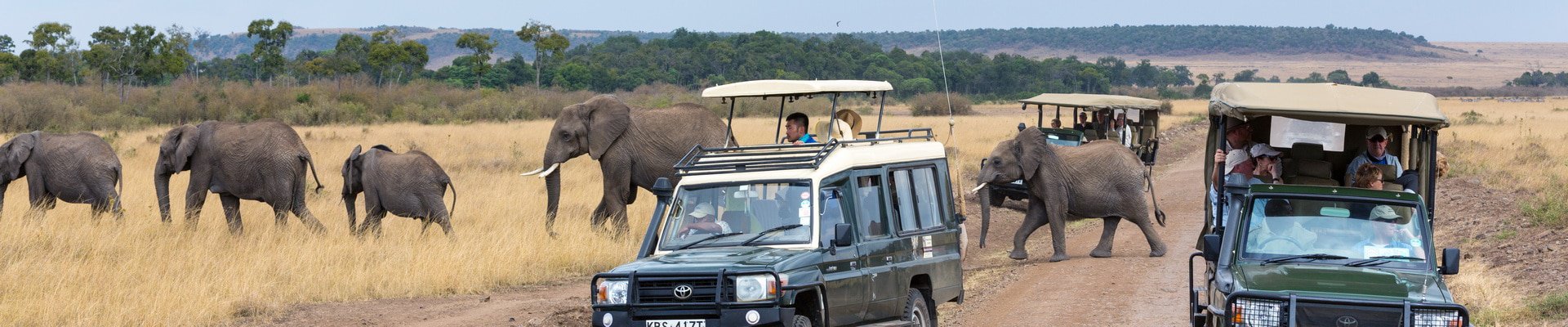
Vehicles in southern Africa are generally open 4WD land rovers or land cruisers, while most vehicles in East Africa are minivans with an opening roof hatch to allow you the best visibility this type of vehicle can offer. It is also possible to have a 4WD vehicle in East Africa, although this option is more expensive.