For guests looking for exceptional wildlife viewing, vast wilderness and a safari that can offer excellent value for money, Hwange National Park in Zimbabwe deserves serious consideration.
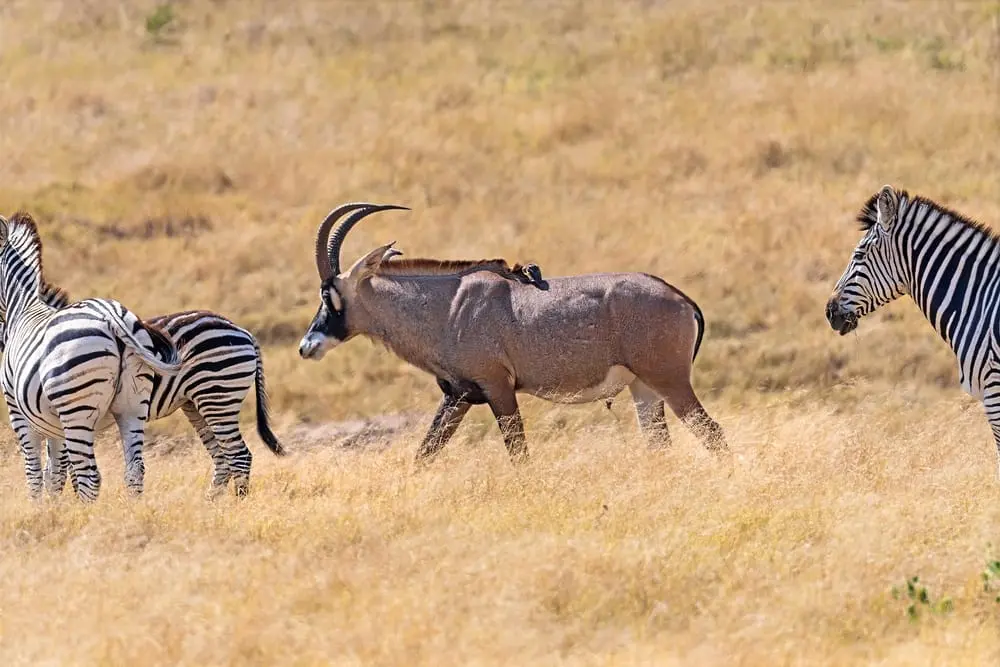
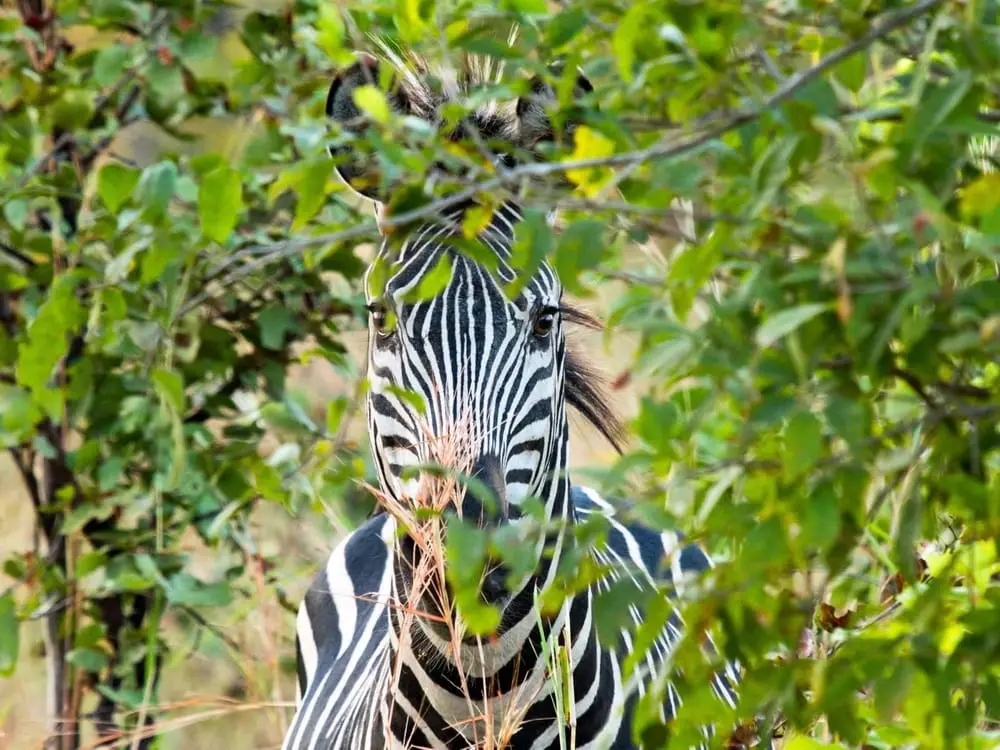
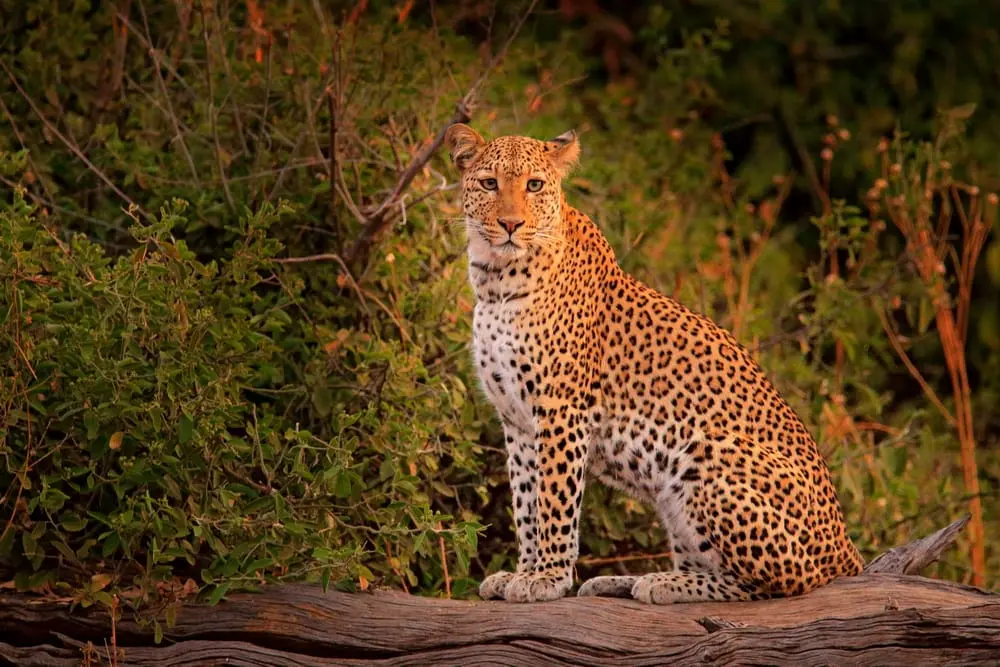
Covering approximately 14,650 square kilometres, Hwange is Zimbabwe’s largest national park and one of Southern Africa’s great wildlife areas. It is particularly famous for elephants, but there is far more to Hwange than its impressive herds. Lions, leopards, buffalo, African wild dogs, cheetah, giraffe, zebra, sable and roan antelope are among the many species that may be encountered here. Nearly 400 bird species have also been recorded.
Yet one of Hwange’s greatest attractions is something that is sometimes overlooked.
It can offer a superb quality safari at a considerably more affordable price than Botswana’s Okavango Delta.
That does not mean Hwange is a cheaper version of the Okavango. The two destinations are very different, and understanding those differences is important when deciding which safari is right for you.
One of Africa’s Great Elephant Destinations
If you love elephants, Hwange is difficult to beat.
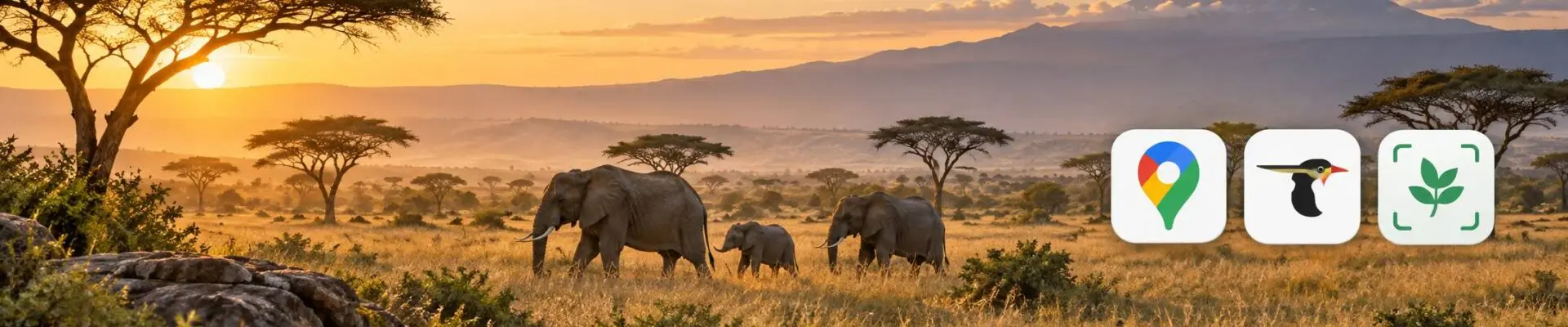
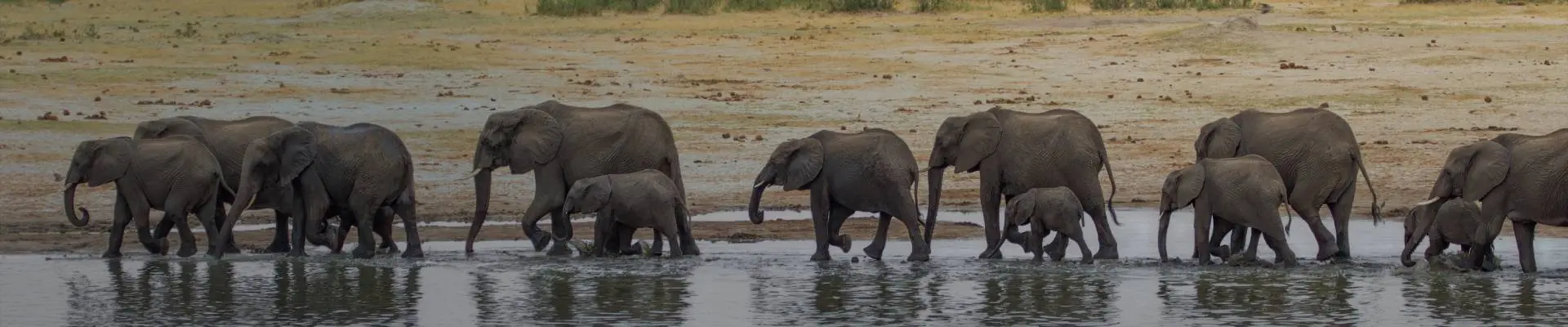
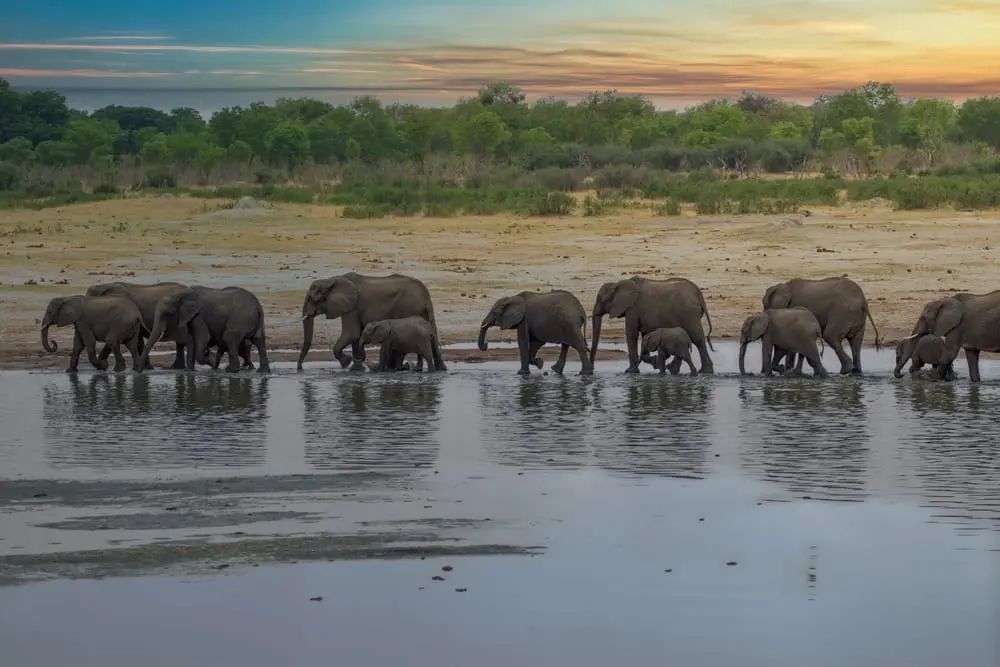
During the dry season, large numbers of elephants move through the park in search of water, gathering around waterholes and pans. You may spend an afternoon watching family groups arrive to drink, youngsters playing at the edge of the water and huge bulls quietly appearing from the surrounding bush.
Sometimes the best wildlife viewing requires very little effort at all.
Several camps and lodges overlook productive waterholes, allowing guests to watch wildlife from the lodge, a deck or a hide. During the dry months, there can be a seemingly constant procession of animals coming to drink.
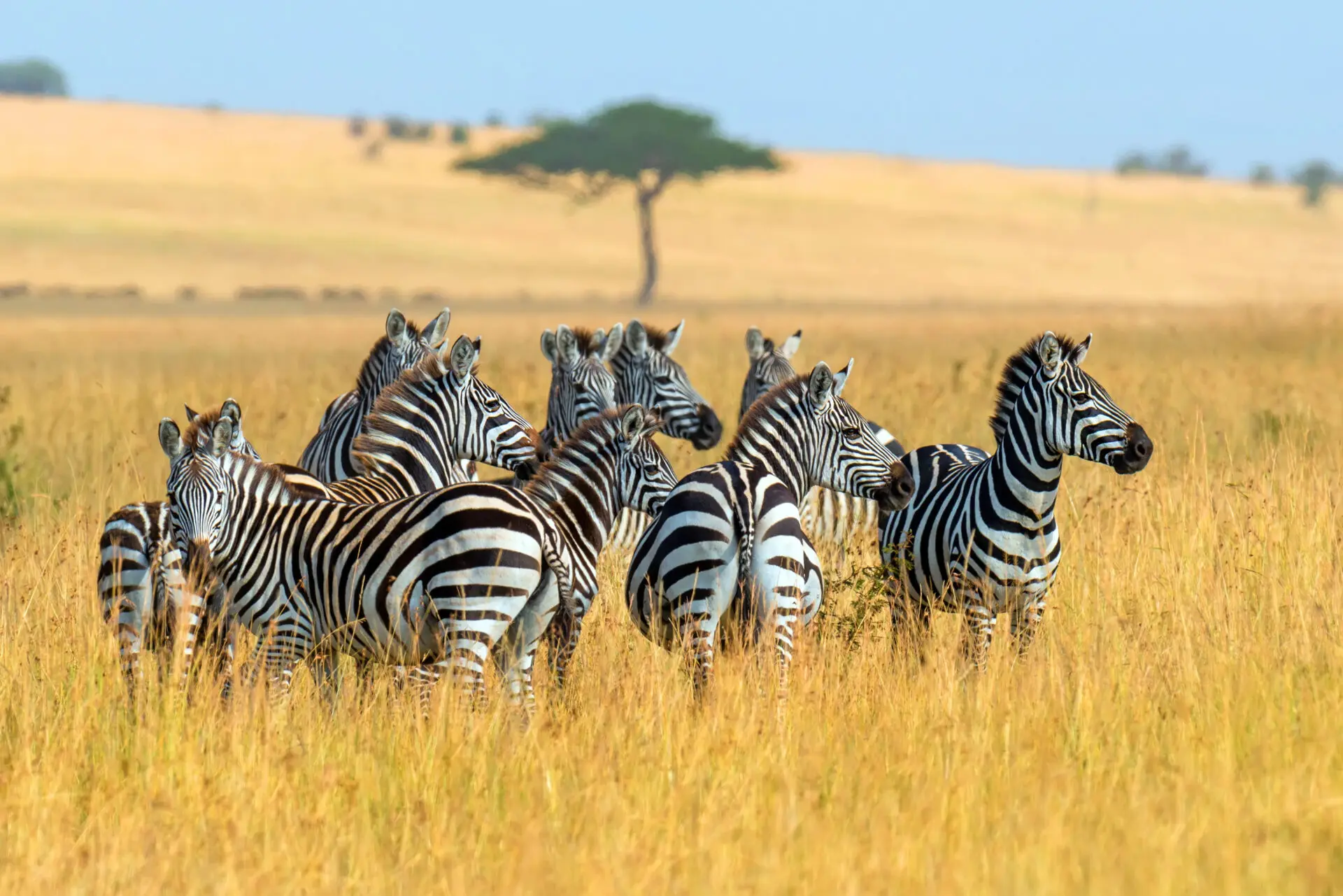
Elephants may dominate the scene, but they are regularly joined by buffalo, zebra, giraffe, antelope and predators.
For photographers in particular, sitting quietly beside a waterhole and waiting for the wildlife to come to you can be one of the great pleasures of a Hwange safari.
Excellent Wildlife Beyond the Elephants
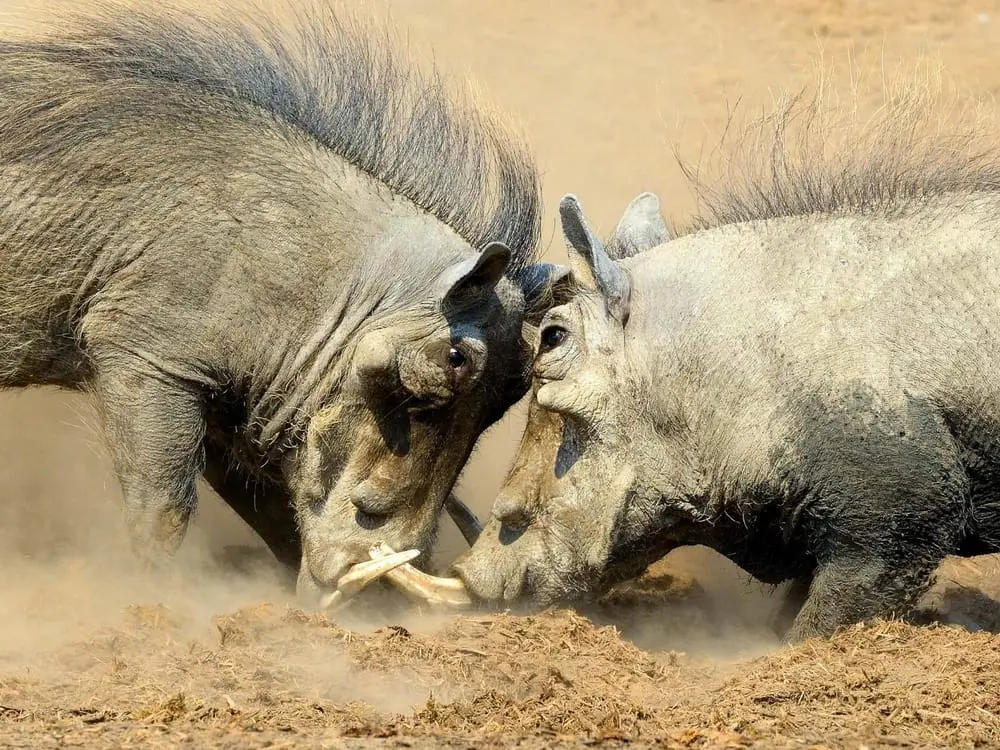
Hwange supports more than 100 mammal species and is home to an impressive variety of predators and plains game.
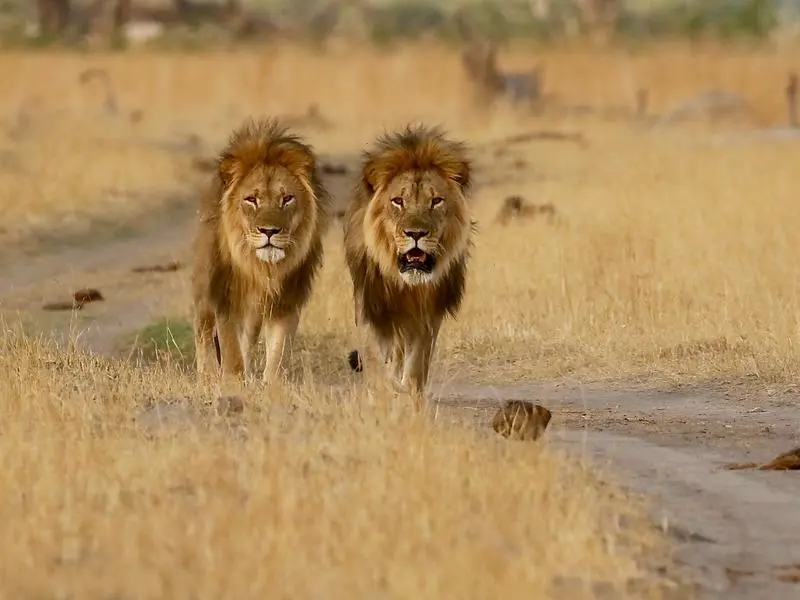
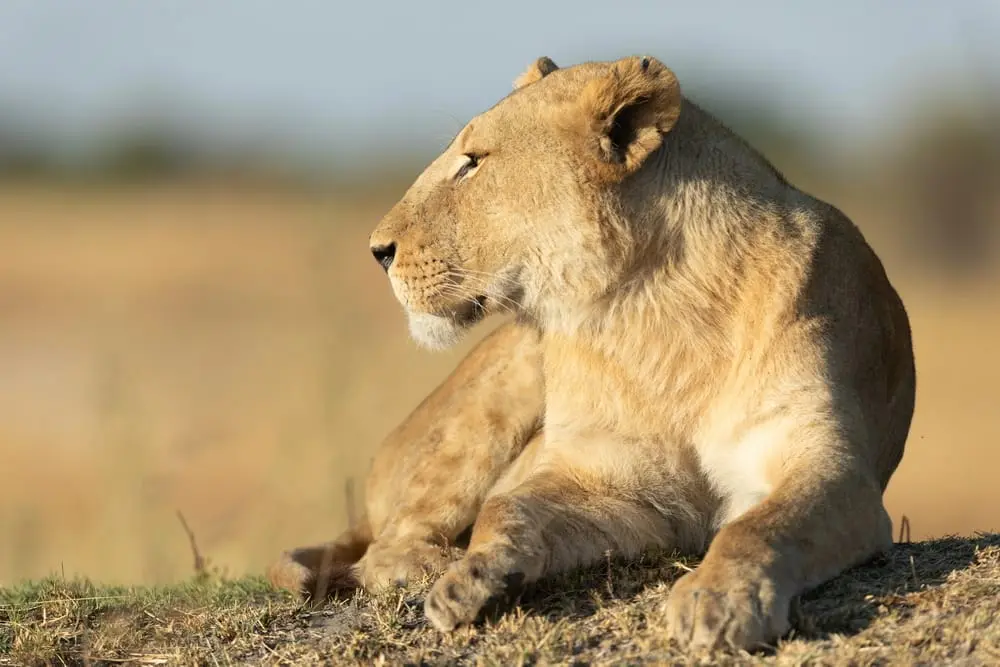
Lions are regularly encountered, while leopard and cheetah are also present. The park is particularly important for African wild dogs, one of Africa’s most endangered predators.
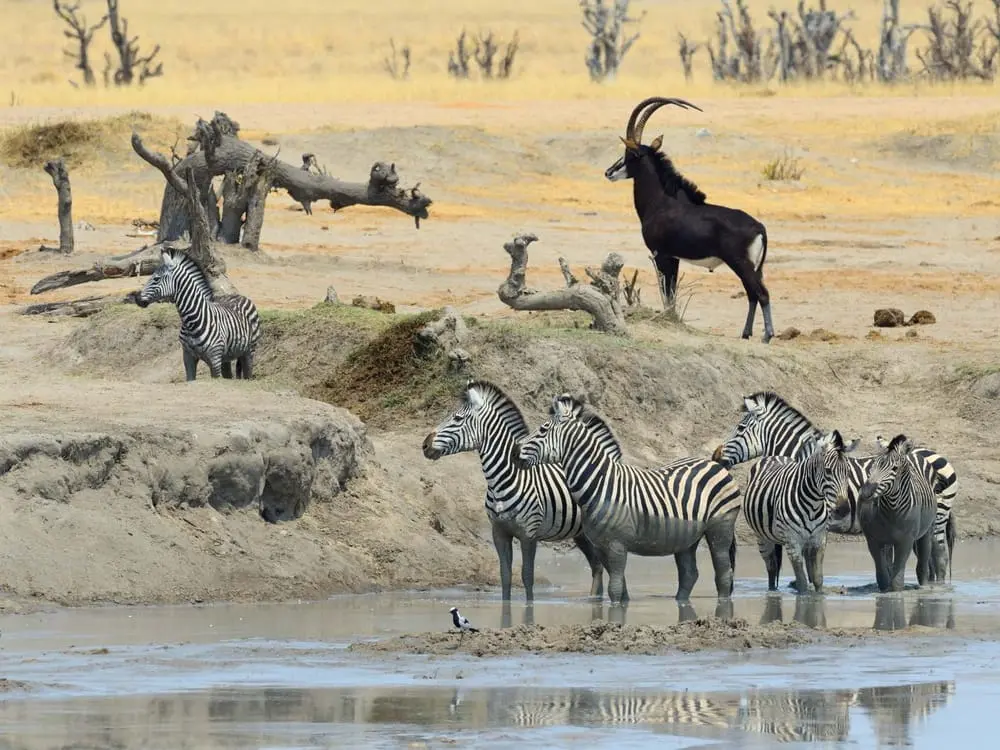
Hwange is also a wonderful destination for travellers hoping to see some of Southern Africa’s more unusual antelope. Sable and roan occur here, along with kudu, eland and numerous other species.
As with any wild destination, sightings can never be guaranteed. Different areas of such an enormous park can also produce very different wildlife experiences.
That is part of Hwange’s appeal. It is not simply about racing from one sighting to another. Good guides read the landscape, follow tracks and understand where animals are likely to be moving. A game drive can change very quickly from a quiet morning in the bush to an extraordinary wildlife encounter.
A Landscape Shaped by Water
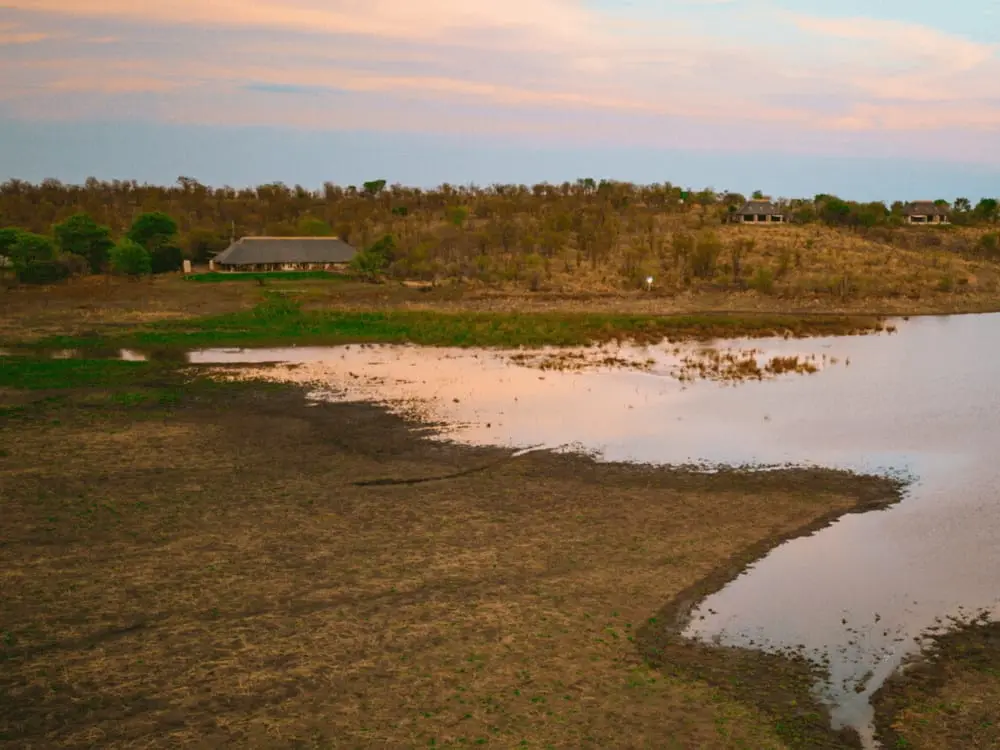
One of the most interesting things about Hwange is that much of the park has very little permanent natural surface water.
Waterholes and pans therefore play an enormously important role, particularly as the dry season progresses. Pumped pans have become one of the defining features of Hwange and help support wildlife through the driest months.
The result is a distinctive safari experience.
As natural water becomes scarce, wildlife increasingly concentrates around the remaining water sources. Sitting beside a busy pan during the dry season can produce extraordinary scenes, with elephants, buffalo, antelope and predators all moving through the same area.
The landscape itself is wonderfully varied, with open grasslands, teak forests, mopane woodland and broad areas of Kalahari sand.
Different parts of Hwange can feel surprisingly different from one another, which makes spending time in more than one area particularly rewarding.
Hwange Versus the Okavango Delta
Travellers looking at Southern Africa often find themselves comparing Hwange with Botswana’s famous Okavango Delta.
Both offer superb wildlife, experienced guides, small safari camps and wonderful wilderness experiences.
But they are not the same type of safari.
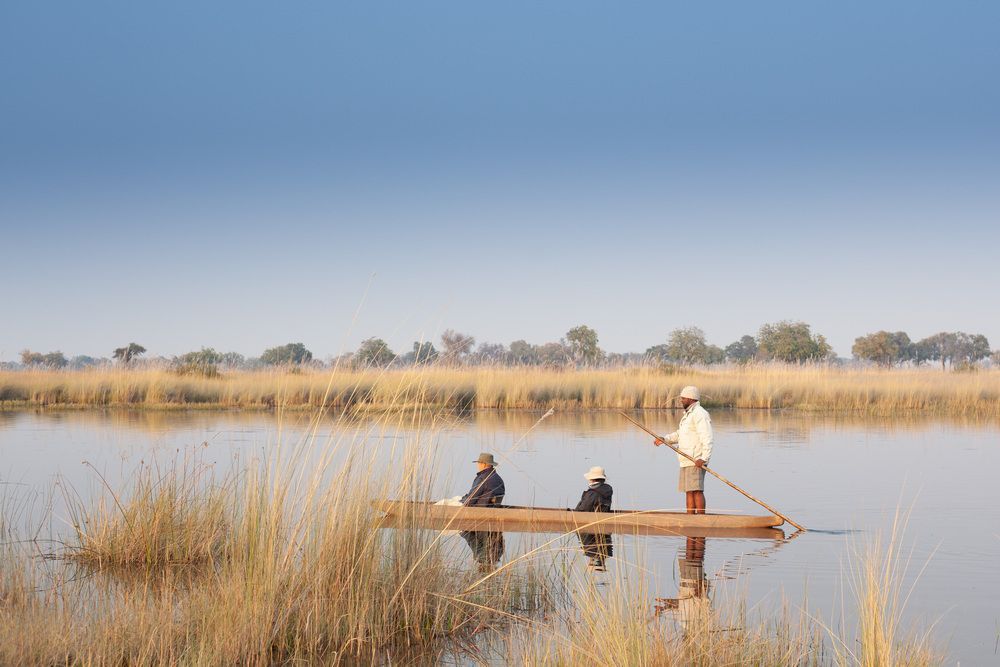
The Okavango Delta is an extraordinary inland wetland system. Seasonal floodwaters spread across the Kalahari, creating a mosaic of channels, lagoons, floodplains, islands and woodland. Depending on the camp and water levels, safari activities can include game drives, motorboat excursions and peaceful mokoro trips through the waterways.
Hwange is predominantly a land based safari destination.
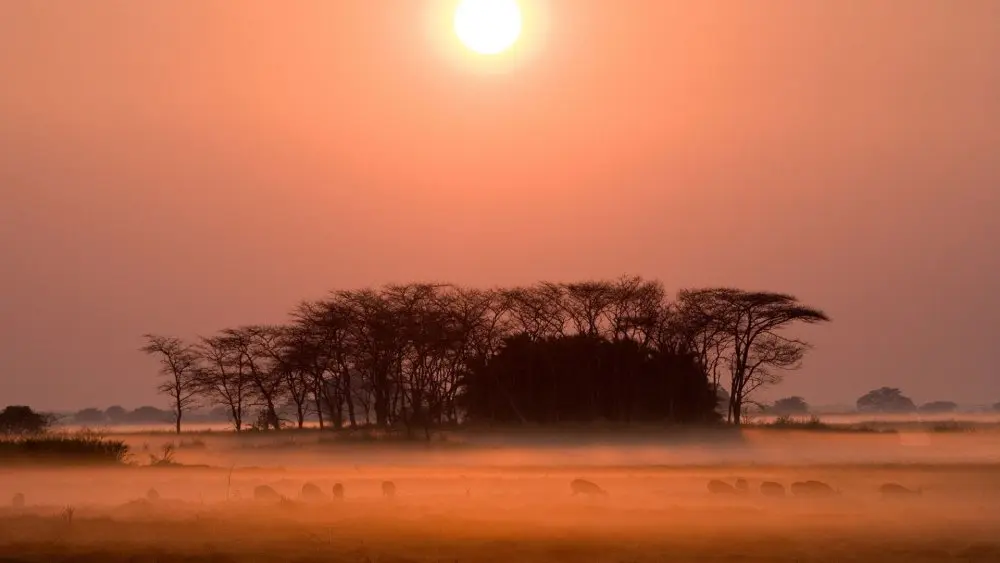
Here the experience revolves much more around game drives, walking safaris, hides and watching animals gather around waterholes. Instead of papyrus lined channels and flooded plains, expect broad savannah, woodland, dry pans and wonderful African skies.
The Okavango is about wildlife within a remarkable water wilderness.
Hwange is about wildlife within a vast savannah and woodland wilderness shaped by the search for water.
Both can be exceptional. They simply offer different experiences.
A More Affordable Safari Than the Okavango Delta
This difference also has an important effect on price.
The Okavango Delta is one of Africa’s most exclusive safari destinations. Many camps are situated in remote areas that are reached primarily by light aircraft, and moving between camps often involves additional flights. Botswana Tourism itself describes the Delta as one of the world’s most exclusive wilderness destinations.
Hwange generally offers considerably more flexibility.
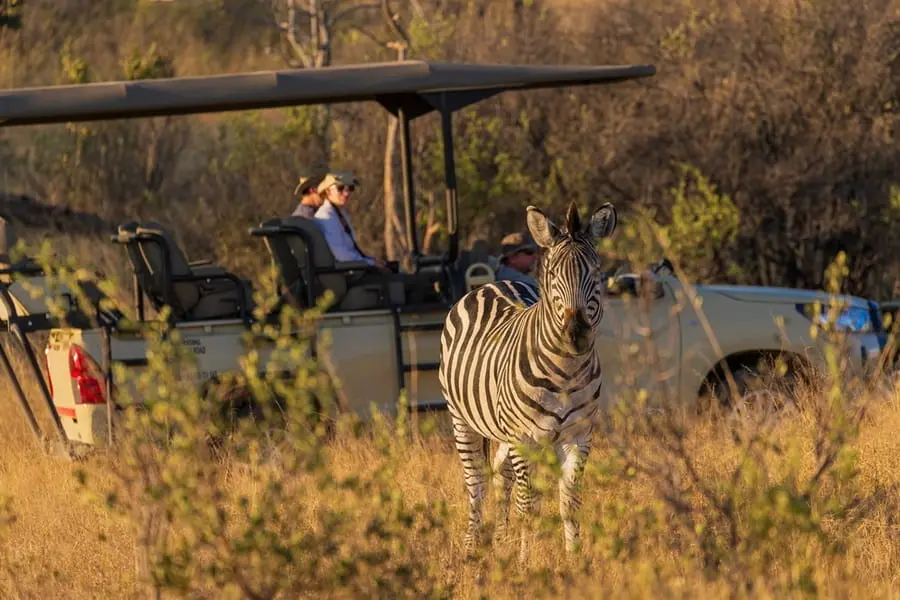
It is possible to reach parts of Hwange by road from Victoria Falls, and there is a broader range of accommodation, from comfortable and relatively affordable lodges through to beautiful luxury camps. Concentrating a Zimbabwe safari around Victoria Falls and Hwange can also reduce the need for costly internal flights.
That can make a significant difference to the overall cost of your safari.
Importantly, choosing Hwange does not necessarily mean compromising on the quality of your wildlife experience.
You can still enjoy excellent guiding, intimate camps, wonderful wildlife encounters and a genuine sense of African wilderness, often at a noticeably lower cost than a comparable safari in the Okavango Delta.
For travellers who would love to experience Botswana but find the cost of the Delta difficult to justify, Hwange can therefore be an excellent destination to consider.
Just remember that you are not replacing the Okavango experience. You are choosing a different type of safari, with its own character and strengths.
Wonderful Hides and Close Wildlife Encounters
Another feature that makes Hwange particularly special is its safari hides.
Some are positioned beside productive waterholes and can provide remarkably close encounters, particularly with elephants during the dry season.
Sitting quietly at ground level while elephants approach the water can give you a completely different appreciation of their size and behaviour.
Rather than continually searching for animals from a vehicle, a hide encourages you to slow down and wait.
Birds come and go. Antelope appear cautiously from the bush. Elephants arrive in family groups. Predators may emerge as the light begins to fade.
It is a wonderfully peaceful way to experience the bush and often produces some of the most memorable moments of a safari.
Excellent Walking Safaris and Guiding
Zimbabwe has a long tradition of professional safari guiding and Hwange is an excellent destination for travellers interested in experiencing the bush on foot.
Walking completely changes your perspective.
Instead of concentrating only on large animals, you begin noticing tracks, plants, insects, bird calls and the smaller details that are easily missed from a vehicle.
A good walking guide helps bring the landscape to life, explaining how animals interact with their environment and teaching you how to read the signs left behind in the bush.
Walking is not simply about getting close to wildlife. It is about understanding the ecosystem and experiencing Africa at a slower pace.
Availability of walks varies between camps, areas and seasons, so this is something worth considering when choosing where to stay.
Easy to Combine with Victoria Falls
Another considerable advantage of Hwange is its location.
Victoria Falls is the main gateway for many Hwange safaris, and parts of the park can be reached by road from Victoria Falls International Airport.
This makes it relatively easy to combine two of Zimbabwe’s greatest attractions in one holiday.
Spend several days exploring Hwange before continuing to Victoria Falls, or visit the Falls first and then travel into the quieter surroundings of the national park.
For travellers with additional time, Hwange and Victoria Falls can also form part of a broader Southern African journey incorporating Botswana, Zambia or Namibia.
When is the Best Time to Visit Hwange?
Hwange changes enormously with the seasons.
The dry months are particularly rewarding for wildlife viewing as animals gather around the park’s water sources. July, August and September are popular safari months, with dry conditions and excellent opportunities to see elephants and other wildlife congregating around waterholes.
As temperatures rise towards October, wildlife viewing around water can become exceptional, although daytime temperatures can also become very hot.
The greener months bring a completely different atmosphere. The park becomes lush, birdlife is excellent and young animals begin appearing. There are fewer visitors and the landscape can be very beautiful, although wildlife is generally less concentrated once water becomes widely available.
There is no single perfect month. The best time depends on whether your priorities are concentrated wildlife viewing, comfortable temperatures, birdwatching, photography or value.
A Safari Offering Exceptional Value
Hwange sometimes sits in the shadow of more famous safari names such as the Serengeti, Kruger and the Okavango Delta.
It should not.
This is a vast and rewarding national park with outstanding elephants, excellent predators, fascinating antelope, superb guiding and a wonderful sense of space.
Perhaps most importantly, Hwange offers the possibility of a high quality safari without the price tag associated with some of Southern Africa’s most exclusive destinations.
If your dream is to travel by mokoro through papyrus channels surrounded by water, islands and floodplains, then the Okavango Delta offers something Hwange cannot reproduce.
But if you dream of watching dozens of elephants gather beside a waterhole, following lion tracks through the bush, sitting quietly in a hide as wildlife approaches or enjoying a sundowner beneath an enormous African sky, Hwange may be exactly what you are looking for.
For first time safari travellers, experienced Africa visitors and anyone wanting to make their safari budget go further without sacrificing wonderful wildlife viewing, Hwange National Park is very difficult to overlook.