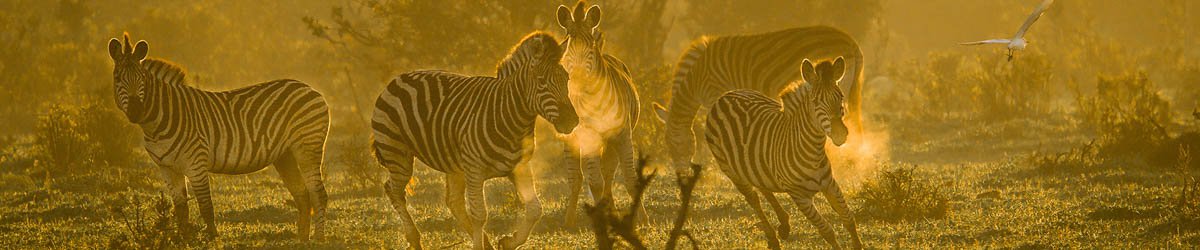
The Makgadikgadi & Nxai Pan Zebra Journey
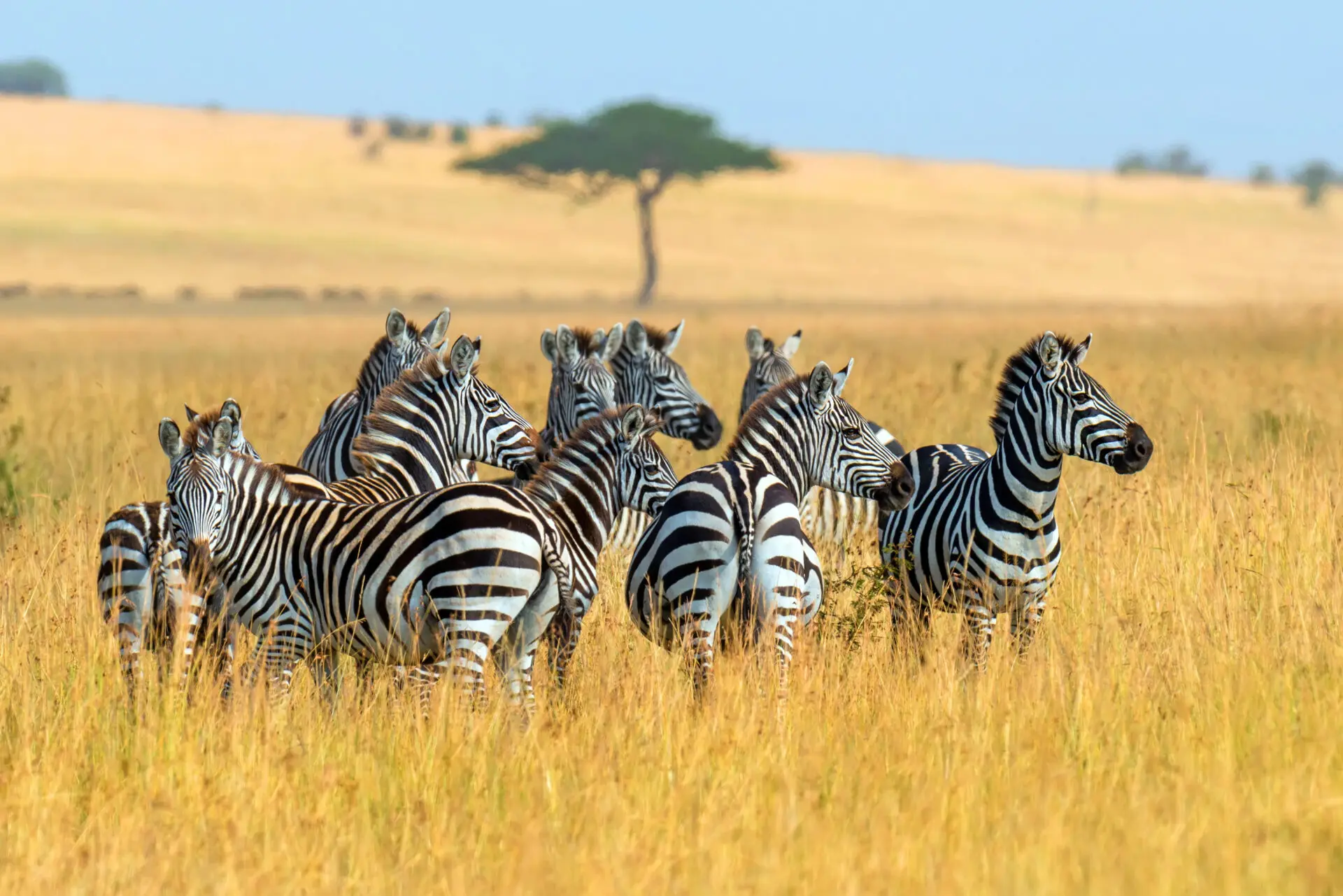
While the Great Wildebeest and Zebra Migration of East Africa may steal the spotlight, Botswana hosts an equally magnificent migratory spectacle—often overlooked but no less awe-inspiring. Every year, tens of thousands of Burchell’s zebras embark on a remarkable migration journey between the lush floodplains of the north and the surprisingly vibrant salt pans of Makgadikgadi and Nxai Pan. This “hidden great migration” spans hundreds of kilometres across some of Africa’s most dramatic landscapes.
Botswana boasts two ancient migratory routes for zebra herds—one stretching from Chobe River into Nxai Pan, and another from the Okavango Delta to Makgadikgadi Pans National Park These migrations had ceased due to veterinary fences erected in the 1950s–60s, which blocked traditional routes. After the fences were removed (~2004), researchers observed that the zebras intuitively resumed their ancestral paths—even though no living zebra would have remembered them—highlighting a powerful instinctual drive
Chobe River → Nxai Pan
Zebra spend the dry months (June–November) grazing in the Chobe floodplains. As seasonal rains commence in November–December, around 20,000 zebra begin their 250–500 km trek to Nxai Pan. Most arrive within 2–3 weeks; some take longer, detouring via South Plains (Seloko) They remain there through February before embarking on a more indirect return journey—spanning up to 800 km—back north between March and May
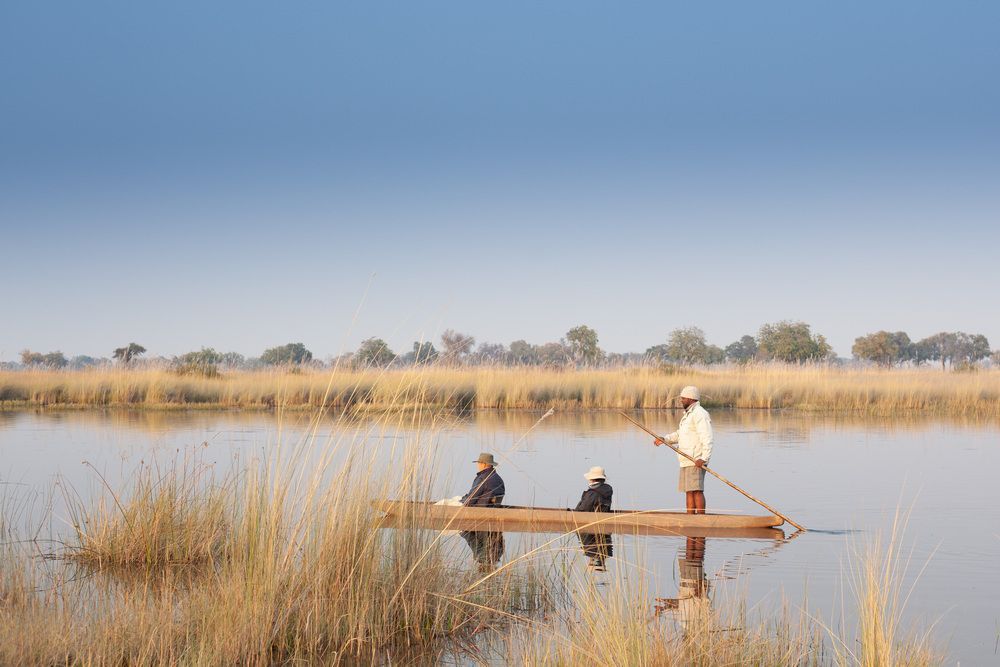
Okavango/Moremi → Makgadikgadi Pans
A second migration sees roughly 15,000 zebra move from the Okavango Delta and Moremi Game Reserve to the Makgadikgadi Pans (via the Boteti River) in November–December. They feed on nutrient-rich grasses in the pans from December–February/March, before dispersing as the dry season arrives. Interestingly, around 45% of zebra herds remain in the Delta year-round
Together, these migrations comprise the longest linear land-mammal migration in Africa, stretching across hundreds of kilometres
When to See It
- November–December – Zebra herds begin moving south; dramatic transit across open landscapes.
- January–March – Massive herds gather to graze and calve in Nxai Pan and Makgadikgadi; predators follow, birdlife explodes, and the pans are at their most alive.
- March–May – The herds start their return journey northwards; sightings can be more dispersed but offer quieter, more intimate safari experiences.
Where to Go
- Nxai Pan National Park — With iconic baobabs and vast grassy plains, this is where thousands of zebras gather during the green season
- Makgadikgadi Pans & Boteti River — A photographer’s dream during the migration, with opportunities to see zebras, wildebeest, predators, and flamingos across dramatic salt pan landscapes
- Iconic Lodges & Camps
- Nxai Pan Camp (Nxai Pan National Park) – Perfectly placed for zebra herds during the wet season when they spread across the grassy pans.
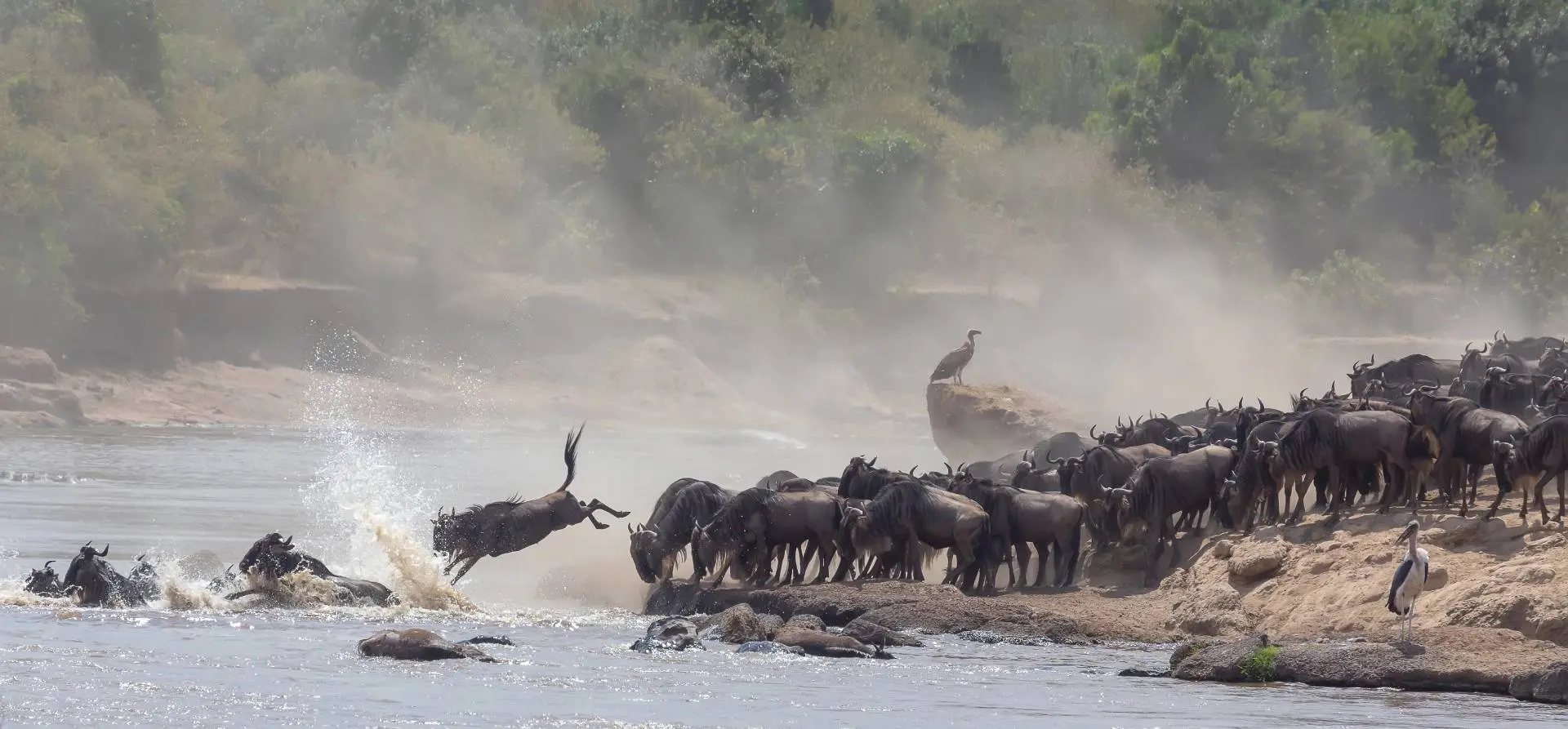
- Meno a Kwena (Boteti River) – optimal for witnessing zebras crossing water during migration
- Nxai Pan Camp (Nxai Pan National Park) – Perfectly placed for zebra herds during the wet season when they spread across the grassy pans.
Wildlife & Activities Beyond Zebra
This region offers stunning biodiversity:
- Predators such as lion, cheetah, and hyena often follow the herds, creating thrilling game-viewing opportunities.
- Birdlife explodes across the pans—look out for flamingos, pelicans, storks, and more
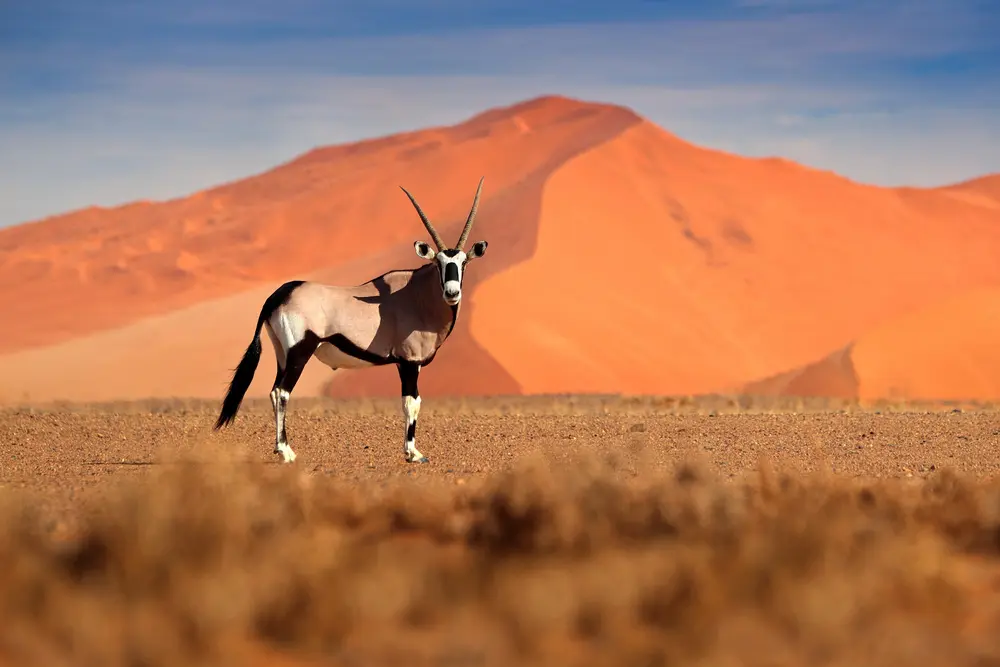
- Unique experiences abound—meerkat visits, San cultural encounters, quad-biking, and marvelling at geological features like Kubu Island and the vast salt flats
Why It Matters
- Ecological renewal — The return of these migrations underscores nature’s resilience when human barriers are removed
- Ecosystem enhancement — Grazing zebras enrich the biodiversity; dung beetles proliferate, meerkats thrive, and predators are sustained
- Authentic safari magic — Less trafficked than East Africa’s Great Migration, Botswana offers immersive, open-wilderness experiences with fewer vehicles and more solitude
Botswana’s zebra migrations across the Makgadikgadi and Nxai Pan are a hidden gem in the world of wildlife spectacles. Rooted in ancient instinct, revived only recently, and played out across surreal salt pans and grassy floodplains—this is nature’s quiet, majestic wonder. For those seeking safari moments with depth, solitude, and raw beauty, this is a journey not to miss.