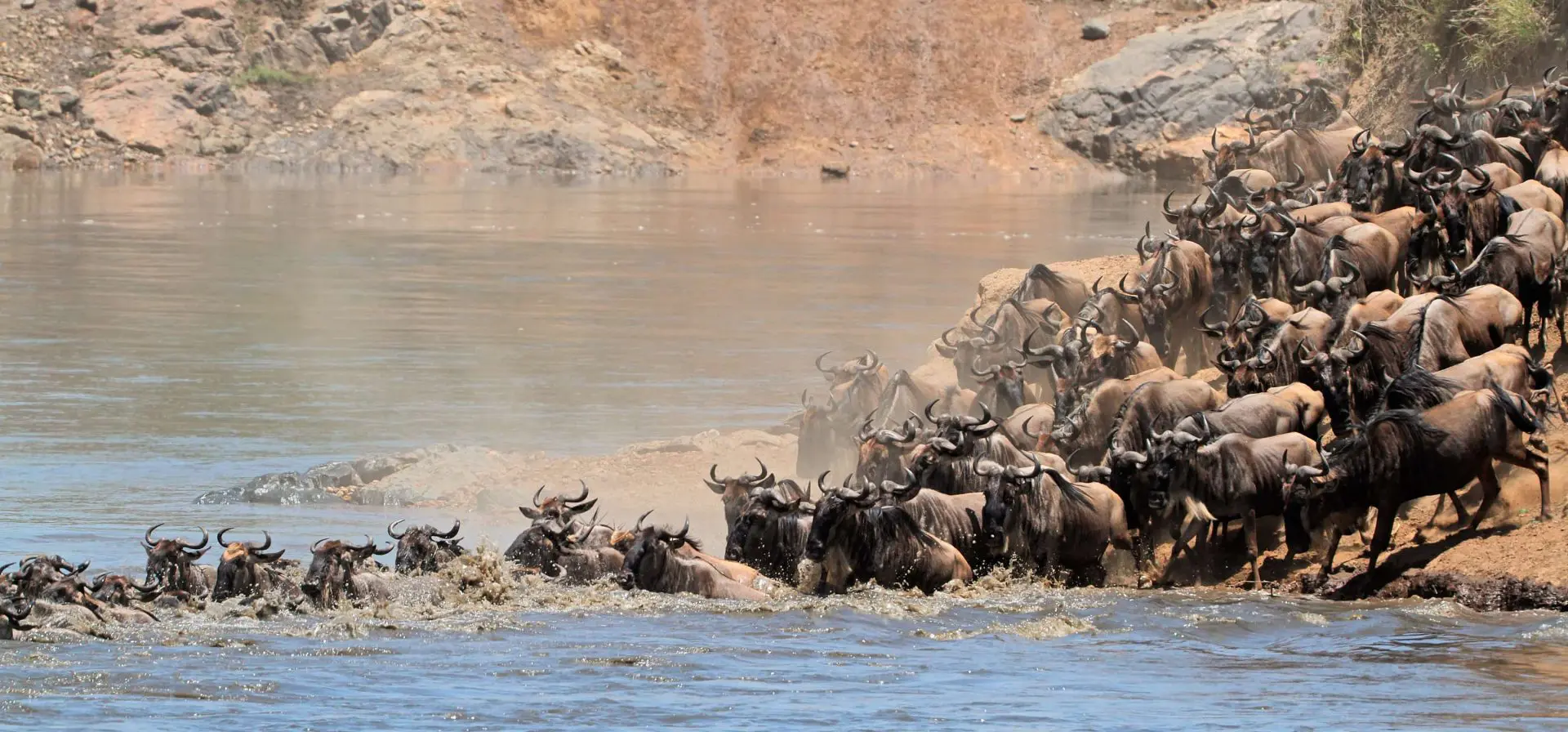
The names of Tanzania’s national parks are bywords for exquisite wildlife encounters: the Serengeti, Ngorongoro Crater, Lake Manyara, Tarangire, Ruaha, Selous, and Kilimanjaro among them. With almost 40% of the country given over to the protection of its native species across a huge variety of habitats, Tanzania safaris pack a serious safari punch.
Occupying the north of the country are the world-beating attractions of Serengeti, Lake Manyara, Tarangire and Mount Kilimanjaro National Parks, and Ngorongoro Crater Conservation Area. Boasting quintessential African savannah dotted with vulture-clad acacia trees, the Serengeti is home to a huge amount of game, not least the Big Five species, as well as the annual Great Wildebeest Migration, often described as the greatest show on Earth.
Formed from the largest intact volcanic caldera in the world, the grasslands and high natural walls of the Ngorongoro Crater is not only a spectacular sight but also contains one of the densest populations of large mammals on the continent. Meanwhile, the sheer bulk of Mount Kilimanjaro, Africa’s highest peak, looms large over much of the region.
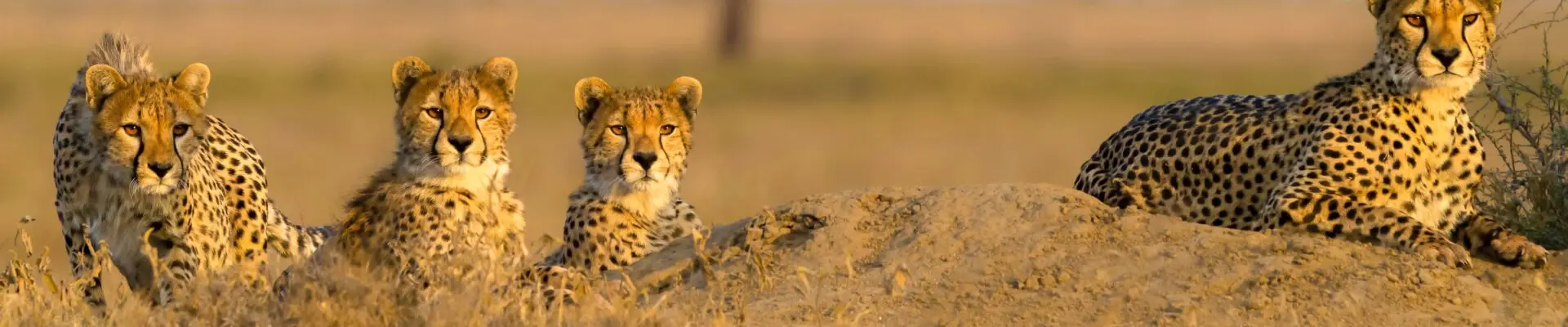
Tanzania’s south is also well-served with natural spectacles, being home to Ruaha National Park and Selous Game Reserve. Ruaha is the country’s largest protected area, ensuring plenty of space for its resident lion, cheetah, leopard and African wild dog to roam, alongside a huge elephant population and almost 600 species of bird.
Almost as large, the UNESCO-listed Selous contains savannah, native miombo woodland, and wetlands formed around the Rufiji River. Perhaps the most photogenic area of the park, here everything from black rhino to bush elephant can be spotted.
What’s more, Gombe Stream and Mahale Mountains National Parks in the west of the country are two of the top destinations in the region for coming into contact with our closest living relatives, the chimpanzee.
For the best variety, the ultimate Tanzania safaris include the Serengeti National Park, Tarangire National Park, and Ngorongoro Conservation Area. And, if you have more time, then a safari in Southern Tanzania’s parks (Ruaha National Park and Selous Game Reserve)is a must.
TANZANIA ESSENTIALS
BEST TIME: July – Oct coincides with the Great Migration river crossings, though Tanzania is excellent for most of the year
CLIMATE: LOW: 12-23ºC May – August / HIGH: 13-28ºC October – March
SEASONS: DRY: June – September & Nov – Feb / WET: October & March – May
BEST FOR: Safari-first timers, families, honeymooners, wildlife enthusiasts, and photographers..